The Good Earth
1937
No user ratings available yet
Representation score: 1.6 out of 10
Representation Score
Limited
1967
GPDirector
John Schlesinger
Runtime
166 minutes
Average Rating
No ratings yetNew Showbiz Analysis
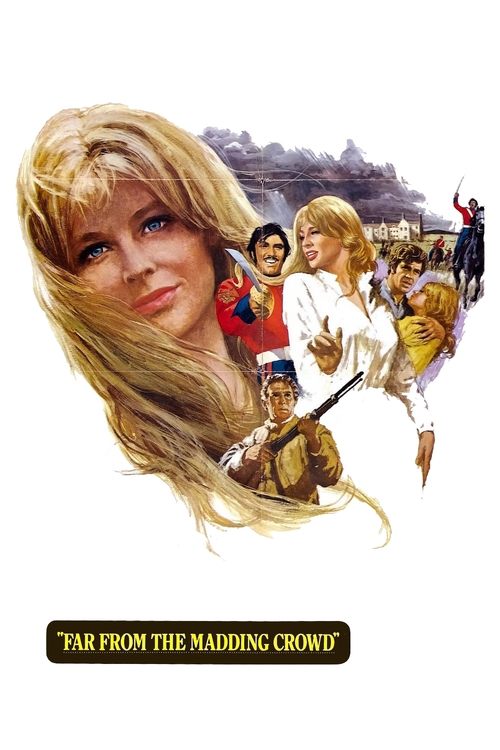
This period drama focuses on challenging traditional gender hierarchies rather than broader systemic or multi-layered issues. While it lacks racial and LGBTQ+ diversity, it excels in portraying women's ability to drive the story within a restrictive historical context. Bathsheba Everdene navigates her world through independent decision-making, effectively subverting the 'damsel' cliché in a restrictive environment. Overall, the film adheres to the cultural and racial frameworks of the 19th century, providing a nuanced character study within a homogeneous social landscape.
Category Breakdown
The film reflects the social structures of 19th-century rural England, which assume everyone is straight or cisgender. There are no LGBTQ+ identities or queer subtexts in the main character arcs.
Bathsheba Everdene challenges Victorian femininity by running a large agricultural estate with significant economic authority. The narrative highlights her intellect and autonomy rather than her role as a passive romantic object.
The cast is predominantly homogeneous, reflecting the demographics of the late 1800s Wessex countryside. There is little to no diversity in terms of race or ethnicity.
The story examines Western social morality and the pressures of class and reputation. It critiques rigid moral codes through the volatility of passion and social standing.
No visible or invisible disabilities are shown as central to the character development or the narrative arc.
Present on Screen
Limited or Absent
Official Synopsis
Bathsheba Everdine, a willful, flirtatious, young woman, unexpectedly inherits a large farm and becomes romantically involved with three widely divergent men.
1937

1970

1947
1971

1956
1960
1939

1955
No reviews yet. Be the first to share your thoughts on this movie!
Use the rating form above to leave a star rating and optional review.