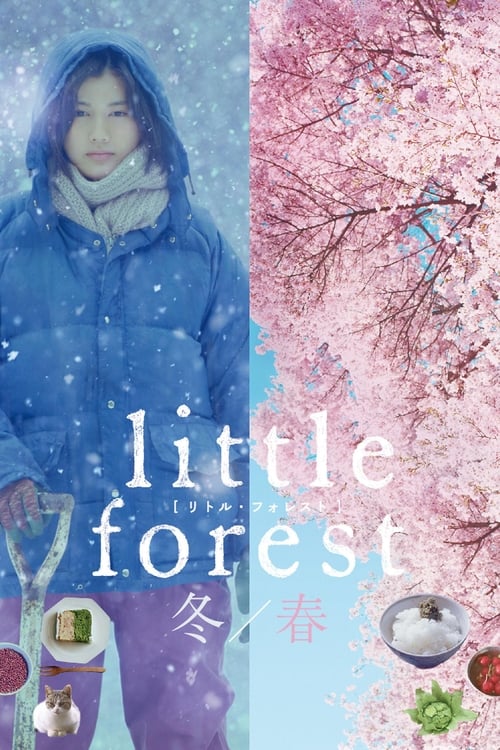
Little Forest: Winter/Spring
2015
No user ratings available yet
Representation score: 7.2 out of 10
Representation Score
Limited
2014
Director
Junichi Mori
Runtime
111 minutes
Average Rating
No ratings yetNew Showbiz Analysis
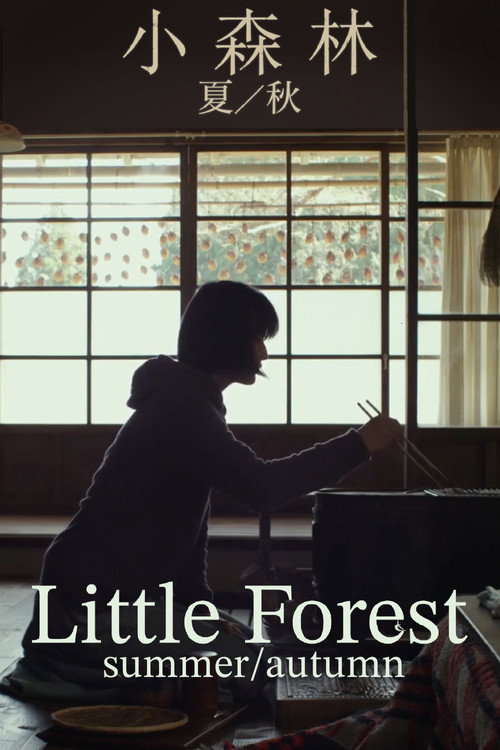
Little Forest: Summer/Autumn is a meditative slice-of-life drama that prioritizes atmospheric immersion over social commentary. It finds its strength in portraying a female protagonist defined by her competence and self-sufficiency rather than social conformity. The film lacks diversity, maintaining a highly localized and homogeneous demographic. It avoids overt engagement with identity politics, focusing instead on the rhythmic, seasonal processes of agrarian life. Ultimately, the film's value lies in its subtle critique of urban capitalism and its celebration of women's ability to drive the story through manual labor and seasonal intentionality.
Category Breakdown
The film focuses on solitary existence and traditional community structures. It does not include characters with non-straight relationships or narratives that challenge the assumption that everyone is straight or cisgender.
Ichiko is a capable female protagonist who drives the narrative through her mastery of agricultural and domestic labor. Her physical and intellectual autonomy disrupts conventional hierarchies of gendered capability.
The setting reflects a homogeneous rural Japanese demographic. While this provides environmental authenticity, the film lacks intentional diversity or mixing of different ethnic backgrounds.
The story offers a quiet deconstruction of urban capitalist lifestyles. It favors localized, sustainable existence over the frantic, consumerist rhythms of modern industrial structures.
There are no prominent depictions of visible or invisible disabilities. The narrative remains centered on the protagonist's physical engagement with the land.
Present on Screen
Limited or Absent
Official Synopsis
Fleeing heartbreak in the big city, Ichiko returns to Komori, her rural hometown. She battles summer's rain and humidity, bakes her own bread, grows hothouse tomatoes and tills the fields. During autumn, the time for pickling and preserving fish and sweet potatoes, Ichiko begins reaping rice and recalls her departure five years before.
2015
2018
2002
2015
2013

2020
1972
2012
No reviews yet. Be the first to share your thoughts on this movie!
Use the rating form above to leave a star rating and optional review.