
Sarah, Plain and Tall: Winter's End
1999
No user ratings available yet
Representation score: 0.4 out of 10
Representation Score
Minimal
1991
GDirector
Glenn Jordan
Runtime
98 minutes
Average Rating
No ratings yetNew Showbiz Analysis
Sarah, Plain and Tall is a period drama that prioritizes historical realism and reconstructs a conventional family structure. It reinforces traditional Western domestic ideals without challenging them. The film adheres to established genre conventions, focusing on the stability of the nuclear family. While it captures the essence of the 1910 American prairie, it does so through a narrow cultural lens. Ultimately, the narrative lacks depth in representing diverse identities. It relies on traditional social hierarchies and offers no disruption of the socio-cultural norms of its setting.
Category Breakdown
The film follows a traditional path with no queer subtext or non-cisgender identities. It focuses on forming a conventional family structure.
The story reinforces traditional gender roles through the stable male leader and nurturing domestic woman archetypes. Sarah's role centers on providing emotional support and domestic stability.
The cast is entirely white, reflecting the 1910 Kansas setting. The narrative lacks racial diversity or non-Anglo-Saxon perspectives.
The film is rooted in traditional Western values and emphasizes the sanctity of the family unit. It promotes a singular moral framework centered on duty and agricultural stability.
No visible or invisible disabilities are shown. Characters are defined by their physical abilities needed for frontier survival.
Present on Screen
Limited or Absent
Official Synopsis
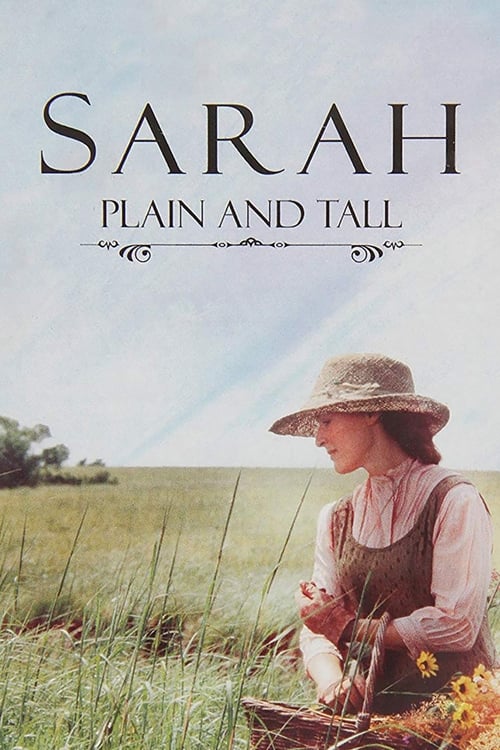
Kansas, 1910. Widowed farmer Jacob Witting finds that taking care of both his farm and two children, Anna and Caleb, is too difficult to handle alone. John takes out an ad in a newspaper for a mail-order bride, to which the "plain and tall" Sarah Wheaton answers, soon traveling from Maine to Kansas to become John's wife. Despite the love that grows between Sarah and the family, Sarah finds herself homesick, and she must ultimately choose whether or not to stay.
1999

2003

1981
1985
1993

1982

1983

2001
No reviews yet. Be the first to share your thoughts on this movie!
Use the rating form above to leave a star rating and optional review.