Fanny
1961
No user ratings available yet
Representation score: 3.9 out of 10
Representation Score
Minimal
2021
Director
Sébastien Pilote
Runtime
158 minutes
Average Rating
No ratings yetNew Showbiz Analysis
Sébastien Pilote’s adaptation aims to capture the essence of early 20th-century rural Quebec. By focusing on historical accuracy, the film upholds the traditional social structures of the time. The narrative structure reinforces the importance of community stability and domestic continuity, reflecting the cyclical nature of agrarian life. The film’s primary goal is to provide a historically authentic depiction of the Péribonka River region. It achieves this through a conservative worldview that ties survival to religious traditions and adherence to cultural heritage.
Category Breakdown
The film does not depict any queer narratives, either implicitly or explicitly. Romantic storylines focus solely on traditional marriage and courtship norms.
Maria demonstrates strong personal resolve and control over her destiny. However, her actions are confined within traditional roles such as domestic duties and motherhood.
The film portrays a homogeneous French-Canadian population typical of the 1910 era. There is no indication of actors being cast regardless of their background.
The narrative centers on traditional Western values, including Catholic faith and family unity. It highlights the daily struggles of the rural peasantry.
There are no main characters or storylines focused on physical, sensory, or neurodevelopmental disabilities. The narrative emphasizes environmental and labor-related challenges instead.
Present on Screen
Limited or Absent
Official Synopsis
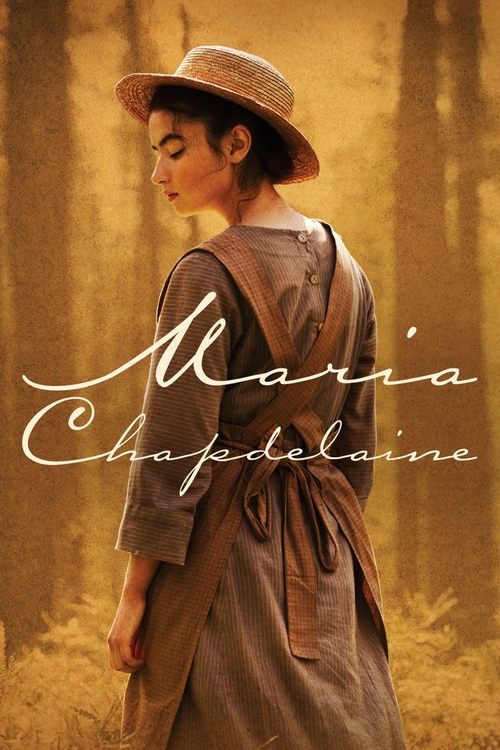
In 1910, Maria Chapdelaine, a young girl of seventeen, lived with her family on the banks of the Péribonka River, north of Lake Saint-Jean. The Chapdelaines work tirelessly to push the limits of the forest. In a home where even physical exhaustion cannot dampen the warmth of family life, Maria, strong and full of hope, finds herself faced with major dilemmas. Thrust into the world of adults, Maria will suddenly be forced to decide on her future as a woman.
1961

1998

2021
2021
1983
1990

2021
2019
No reviews yet. Be the first to share your thoughts on this movie!
Use the rating form above to leave a star rating and optional review.