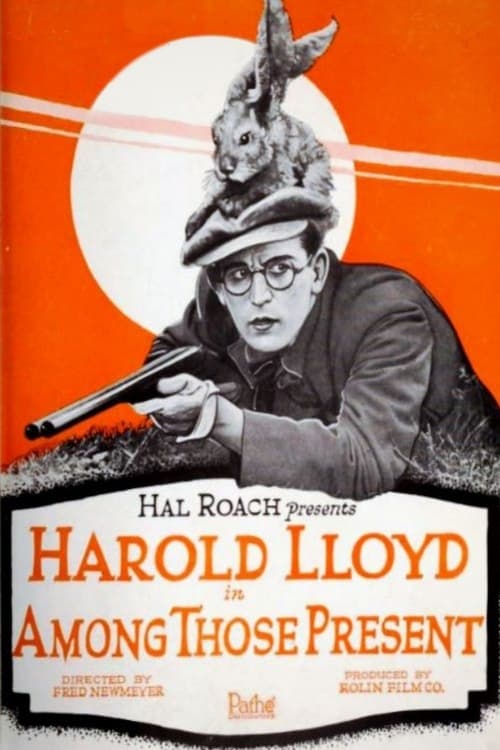
Among Those Present
1921
No user ratings available yet
Representation score: 1.6 out of 10
No Poster Available
Representation Score
Minimal
1933
PassedDirector
Redd Davis
Runtime
52 minutes
Average Rating
No ratings yetNew Showbiz Analysis
The Medicine Man serves as a typical comedy from the early 1930s, centered around social hierarchies and individual trickery rather than systemic issues. The narrative structure relies on traditional comedic elements that prioritize personal deception over broader social critiques. By focusing on a male protagonist's impersonation, the film reinforces conventional gender roles and masculine stereotypes. The absence of documented complexity in representing diverse identities keeps the film aligned with the social norms of its time. Overall, the film functions as a form of traditional escapism, lacking the necessary elements to challenge or question the prevailing racial, gender, or cultural norms of its era.
Category Breakdown
The film does not include any non-straight or non-cisgender identities or same-sex relationships. It sticks to traditional comedic themes that avoid showing LGBTQ+ characters.
The story focuses on a young man impersonating a doctor, emphasizing masculine 'trickster' roles rather than showcasing women's intelligence.
The production likely reflects the casting standards of the 1930s, featuring a predominantly white cast. There is no indication of actors from different racial backgrounds playing roles traditionally expected to be white.
The narrative emphasizes situational humor and comedic impersonations. It avoids criticizing Western institutions, religion, or systemic power structures, instead focusing on escapism.
There is no information available about the portrayal of physical or neurodivergent disabilities in the film.
Present on Screen
Limited or Absent
Official Synopsis
A young man impersonates a doctor.
1921
1926
1936

1923
1934
1926
1914
1933
No reviews yet. Be the first to share your thoughts on this movie!
Use the rating form above to leave a star rating and optional review.