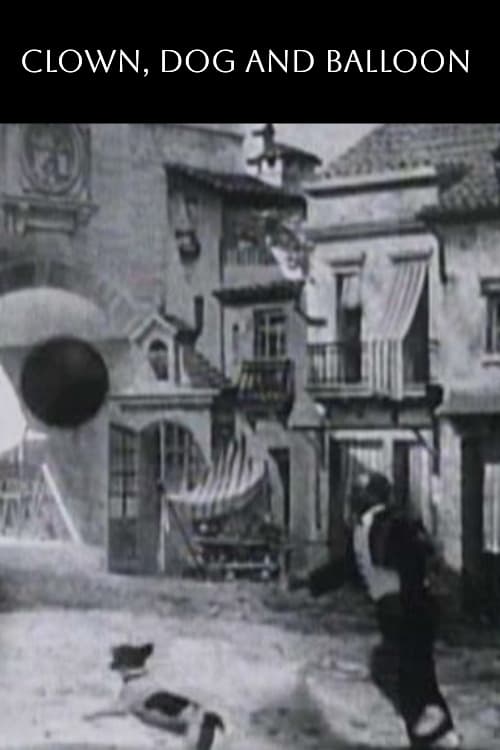
Clown, Dog and Balloon
1905
No user ratings available yet
Representation score: 0.6 out of 10

Representation Score
Minimal
1907
Not RatedDirector
Alice Guy-Blaché
Runtime
4 minutes
Average Rating
No ratings yetNew Showbiz Analysis
The film's value in terms of diversity lies mainly in its historical context rather than its narrative content. Directed by Alice Guy-Blaché, it stands out as a significant historical example of female leadership in early filmmaking. However, the story is a straightforward slapstick comedy about a dog stealing sausages. This limited scope means there is no complex character development or representation of underrepresented groups. Overall, the film reflects the limitations of its time, serving more as a historical record of female filmmaking than a modern exploration of inclusive storytelling.
Category Breakdown
The film does not include any LGBTQ+ characters or themes related to non-straight relationships. The plot revolves around a dog chasing a sausage.
Alice Guy-Blaché's role as a female filmmaker challenges early cinematic norms. However, the story itself does not provide much information about the roles of female characters.
The setting seems typical of a European city. There is no visual indication of actors from non-white or non-Anglo-Saxon backgrounds.
The film portrays a chaotic social event using a traditional commercial perspective. It does not offer any direct criticism of religious or institutional practices.
There is no evidence of characters with visible or invisible disabilities in the historical records or synopsis.
Present on Screen
Limited or Absent
Official Synopsis
Chaos erupts when a dog steals a string of sausages from a butcher shop.
1905

1896
1905
1897
1906
1897
1905
1900
No reviews yet. Be the first to share your thoughts on this movie!
Use the rating form above to leave a star rating and optional review.