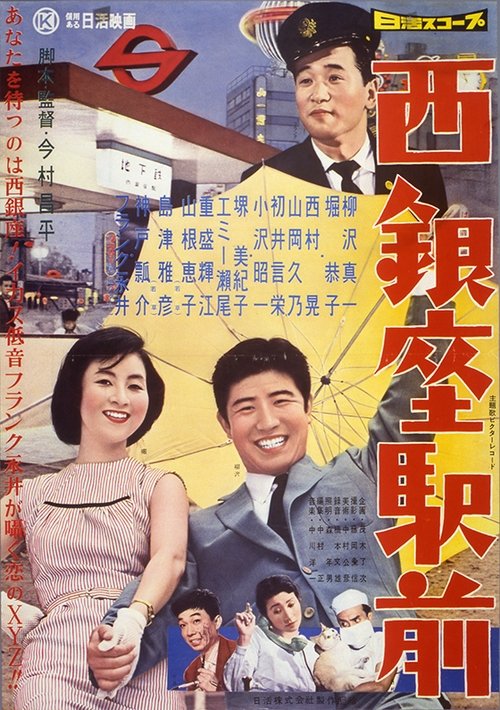
Nishi Ginza Station
1958
No user ratings available yet
Representation score: 4.9 out of 10
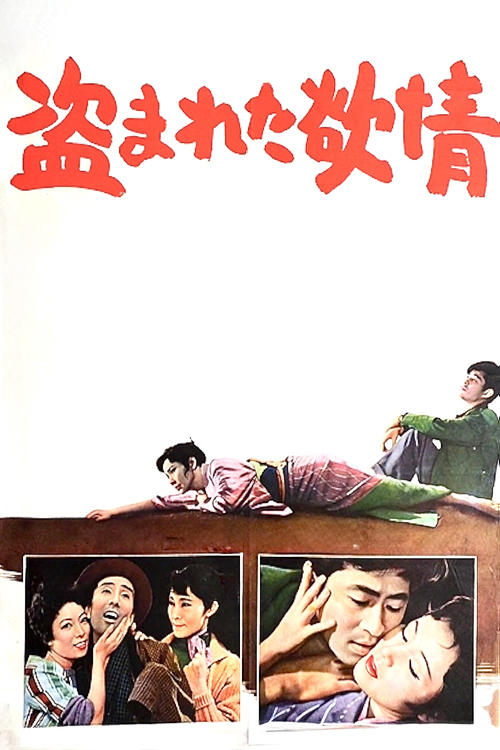
Representation Score
Fair
1958
Director
Shōhei Imamura
Runtime
92 minutes
Average Rating
No ratings yetNew Showbiz Analysis
Shōhei Imamura contrasts Kabuki with strip shows to challenge traditional Japanese hierarchies. The film emphasizes raw human instincts over strict social rules, highlighting the ability to act of those on the societal margins. Though the film does not explicitly highlight diverse identities, it serves as a socio-economic critique. By replacing monolithic cultural views with a more visceral, inclusive perspective, it questions established norms and institutions. Ultimately, the work presents high culture as performative, using the traveling troupe to disrupt conventional morality and traditional institutional sanctity.
Category Breakdown
The film's humorous tone hints at the possibility of diverse gender expressions among the traveling troupe. However, there is no clear indication of queer identities in the story.
The emphasis on strip shows and physical strength suggests a focus on the body. Female characters likely have significant primal energy, breaking away from traditional submissive roles.
The cast is ethnically uniform as a Japanese production. Diversity is shown through the mix of social classes and the tension between high and low culture.
The film critiques cultural traditions by contrasting Kabuki with strip shows. This highlights a more secular, instinct-driven perspective compared to traditional institutions.
There is no information about the portrayal of physical or neurodivergent disabilities in the film's storyline.
Present on Screen
Limited or Absent
Official Synopsis
A rambunctious and ribald tale of a troupe of travelling actors who alternate highlights of kabuki theatre with strip shows.
1958

1968

1970

1958
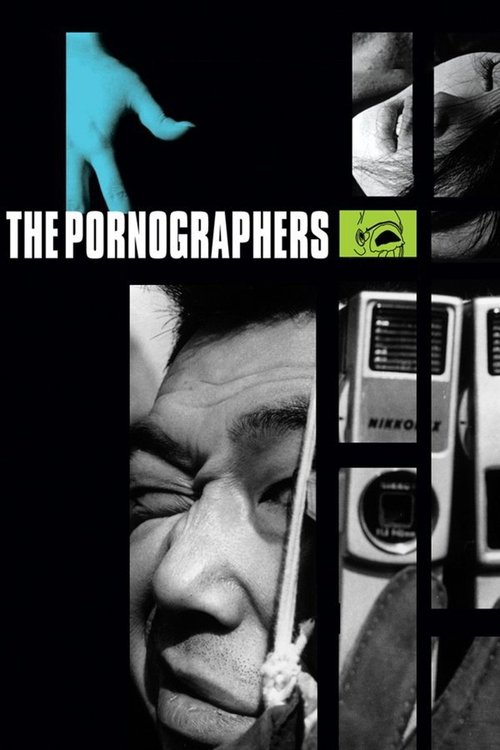
1966
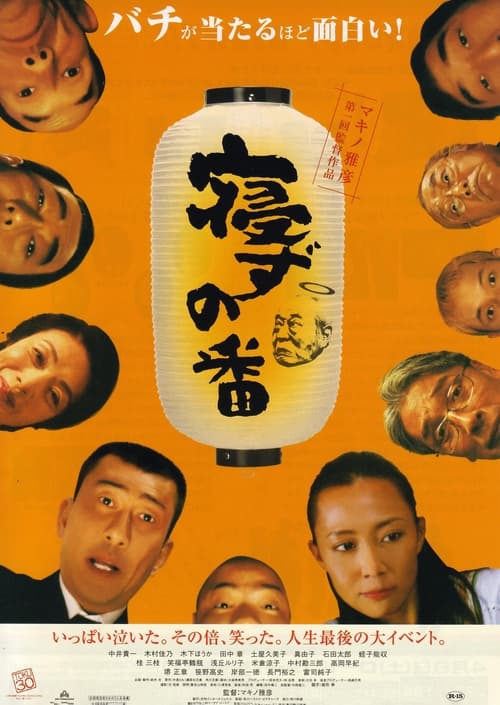
2005
1988

2014
No reviews yet. Be the first to share your thoughts on this movie!
Use the rating form above to leave a star rating and optional review.