
Magnificent Times
2018
No user ratings available yet
Representation score: 4.3 out of 10
Representation Score
Fair
2013
UnratedDirector
Hitoshi Matsumoto
Runtime
100 minutes
Average Rating
No ratings yetNew Showbiz Analysis
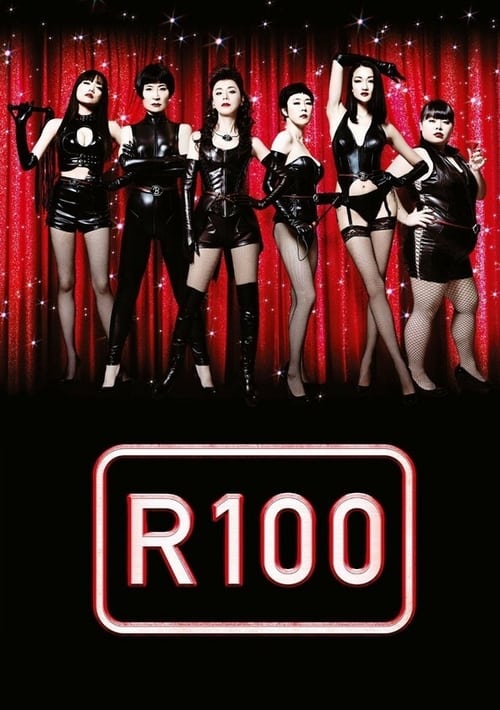
R100 effectively deconstructs traditional gender roles by inverting the power dynamic between men and women. The film uses a specialized subculture to challenge mainstream social norms and explore themes of ability to act and subjection. However, the production remains culturally homogeneous, lacking racial diversity or characters who reflect more than one aspect of diversity. The focus is heavily centered on a specific Japanese context and niche social dynamics. Ultimately, the film is a study in subverting social structures, even if it lacks breadth in its demographic representation.
Category Breakdown
The film explores themes related to power dynamics and social spaces associated with queer subcultures. Although specific identities are not explicitly stated, the focus is on non-traditional social spaces that move away from conventional domestic settings.
The movie challenges traditional gender hierarchies by placing women in positions of absolute authority. The male character is rendered passive and vulnerable, breaking the usual clichés of masculine dominance.
As a culturally specific Japanese production, the film likely reflects a homogeneous demographic. There is no evidence of multi-ethnic casting or significant multi-layered racial blending.
The story critiques systemic entrapment by emphasizing unconventional social contracts over mainstream institutions. It examines moral relativism through the lens of personal liberation from a restrictive system.
There is no evidence of the portrayal of physical or neurodivergent disabilities within the narrative.
Present on Screen
Limited or Absent
Official Synopsis
Ruthless dominatrixes pursue a mild-mannered salesman who wants to get out of his unbreakable contract with a secret bondage club.
2018

2017

2014

2008

1984

2002

2000

2016
No reviews yet. Be the first to share your thoughts on this movie!
Use the rating form above to leave a star rating and optional review.