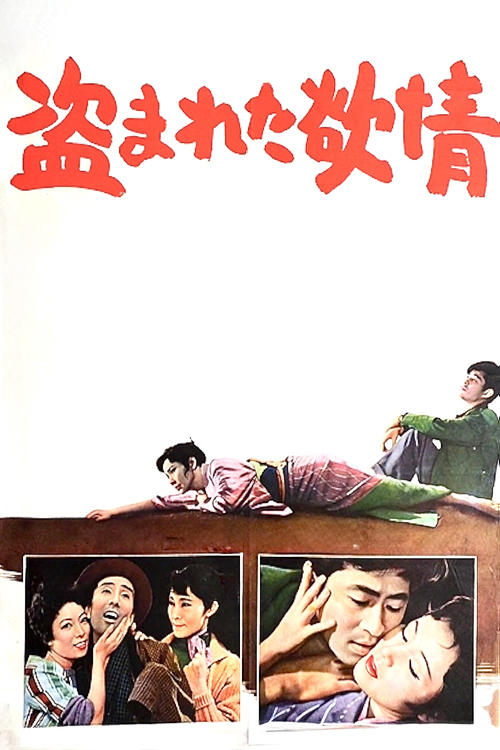
Stolen Desire
1958
No user ratings available yet
Representation score: 5.6 out of 10

Representation Score
Fair
1970
Director
Masahiro Shinoda
Runtime
104 minutes
Average Rating
No ratings yetNew Showbiz Analysis
Masahiro Shinoda’s work serves as a sophisticated deconstruction of social hierarchies. While the film lacks modern identity-based representation in terms of gender ability to act or LGBTQ+ visibility, it finds its strength in cultural subversion. The narrative challenges the Confucian social order by celebrating a morally ambiguous protagonist. This figure acts as a vessel for anti-authoritarian sentiment, disrupting traditional hero archetypes. Ultimately, the film's progressive value lies in its critique of systemic authority rather than its diversity of personal identities.
Category Breakdown
The film does not explicitly depict non-straight relationships or same-sex intimacy. While the main character rejects traditional domesticity, the narrative does not center on LGBTQ+ identities.
The story centers around a male protagonist, often positioning women in relation to his journey. However, female characters avoid being mere moral anchors by existing within a chaotic, hedonistic environment.
The cast is ethnically uniform, reflecting the historical context of the Edo period. It maintains a strictly localized cultural perspective without engaging in racial blending.
The film stands out by critiquing the Shogunate and its oppressive, moralistic laws. It portrays anti-social behavior as a form of liberation from a rigid, Confucian social order.
There is no significant evidence regarding the portrayal of visible or invisible disabilities within the narrative.
Present on Screen
Limited or Absent
Official Synopsis
An outlaw pushes the residents of Edo's red light district to rebel against a growing number of stifling, moralistic laws.
1958

1968

1977

1974

2014

1988

1966

1966
No reviews yet. Be the first to share your thoughts on this movie!
Use the rating form above to leave a star rating and optional review.