Spark
2017
No user ratings available yet
Representation score: 5.8 out of 10
Representation Score
Fair
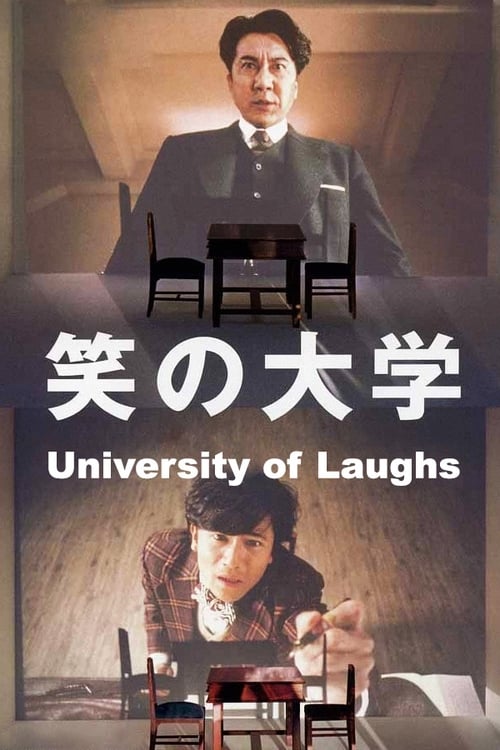
2004
Director
Mamoru Hoshi
Runtime
121 minutes
Average Rating
No ratings yetNew Showbiz Analysis
University of Laughs is a character-driven exploration of institutional friction rather than a focus on demographic diversity. Its strength lies in its thematic examination of how art can resist state-imposed order and censorship. Because the setting is pre-war Japan, the cast and social structures remain largely homogeneous, limiting the film's ability to showcase a wide range of racial or ethnic identities within its historical context. Ultimately, the film's progressive value is found in its critique of centralized power and traditional institutional authority.
Category Breakdown
The film does not provide clear evidence of LGBTQ+ characters or non-cisgender identities. Although the pre-war Japanese setting offers potential for subtle hints of identity, there is no direct indication of same-sex relationships or intimacy.
The story centers around the conflict between a censor and a writer. It is unclear how much influence female characters have within the specific historical period and social structure.
Set in pre-war Japan, the cast is primarily composed of ethnically Japanese individuals. The film maintains a homogeneous environment consistent with the historical context of the time.
The story provides a strong critique of systemic authority. It examines the tension between official moral standards and artistic truth by using comedy as a means to resist institutional control.
The film does not include any characters dealing with physical, neurodivergent, or mental health conditions.
Present on Screen
Limited or Absent
Official Synopsis
In pre-war Japan, a government censor tries to make the writer for a theater troupe alter his comedic script. As they work with and against each other, the script ends up developing in unexpected ways.
2017

1968
2014
1958

1970

1963
1957
1958
No reviews yet. Be the first to share your thoughts on this movie!
Use the rating form above to leave a star rating and optional review.