That Obscure Object of Desire
1977
No user ratings available yet
Representation score: 6.6 out of 10
Representation Score
Fair
1966
Not RatedDirector
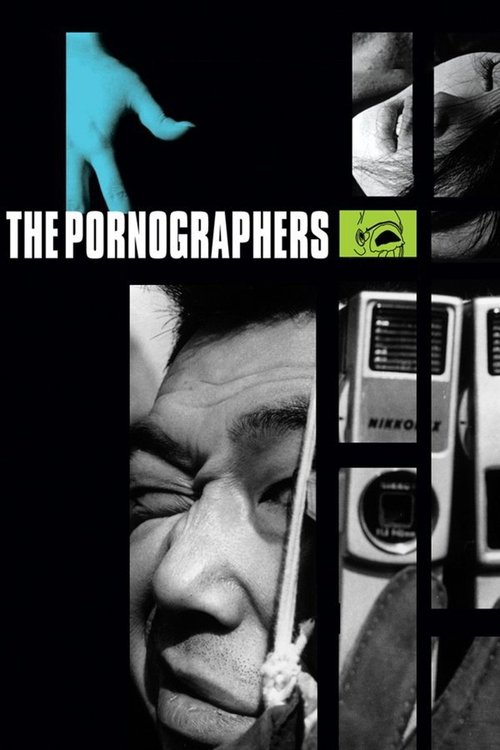
Shōhei Imamura
Runtime
128 minutes
Average Rating
No ratings yetNew Showbiz Analysis
Shōhei Imamura’s work functions as a disruption of rigid post-war Japanese social hierarchies. By centering characters on the periphery of conventional morality, the film uses a naturalistic lens to challenge established institutional norms. The film excels in its subversion of traditional gender hierarchies and its critique of systemic morality. However, the narrative remains limited by its lack of LGBTQ+ representation and its culturally homogeneous cast, which reflects the historical context of 1960s Japanese cinema.
Category Breakdown
The film does not include explicit LGBTQ+ identities or narratives that go beyond traditional heterosexual relationships. Instead, it explores primal instincts within a traditional sexual framework.
Women play a significant role in driving the story and have sexual autonomy, rather than being passive subjects. The narrative centers on female desire and economic survival, disrupting patriarchal control.
The cast is culturally homogeneous, reflecting the production constraints of the time. It serves as an exploration of domestic identity rather than an exercise in diverse racial representation.
The film critiques institutionalized morality by emphasizing human instinct over religious decorum. It portrays anti-social activities as natural, challenging the authority of traditional social standards.
There are no characters with visible or invisible disabilities in the narrative.
Present on Screen
Limited or Absent
Official Synopsis
A former Buddhist monk turned erotic filmmaker, Subuyan lives with hairdresser Haru and her two teenage children. Shooting two skin flicks per day, he somehow manages to stay out of the clutches of the yakuza, but real trouble starts when Haru discovers him lusting after her daughter.
1977
1970

2012

1962
2008

1981
1970

1961
No reviews yet. Be the first to share your thoughts on this movie!
Use the rating form above to leave a star rating and optional review.