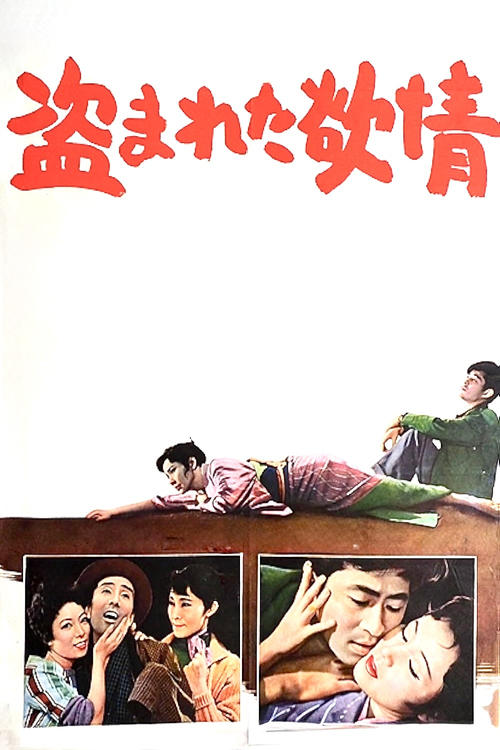
Stolen Desire
1958
No user ratings available yet
Representation score: 5.6 out of 10
Representation Score
Fair
1958
Director
Shōhei Imamura
Runtime
52 minutes
Average Rating
No ratings yetNew Showbiz Analysis
Shōhei Imamura’s work challenges mid-century social norms by focusing on the raw realities of the working class. The film uses an extramarital affair to dismantle the expectation of domestic stability, favoring human instinct over institutional morality. While the film lacks modern markers like explicit LGBTQ+ representation or racial diversity, it provides a visceral, anti-establishment view of human connection.
Category Breakdown
The film explores an extramarital affair but does not include explicit examples of LGBTQ+ identities or non-straight gender expressions.
By focusing on infidelity, the film disrupts traditional gender roles and presents a more realistic view of masculinity rather than an idealized version of the stable husband.
The film depicts a culturally homogeneous Japanese society, avoiding high-society clichés and focusing on the urban working class.
The narrative emphasizes human instincts and situational ethics over strict moral codes, offering a populist perspective through its focus on urban life and popular music.
There is no depiction of physical or neurodivergent disabilities in the film.
Present on Screen
Limited or Absent
Official Synopsis
This short comedy concerns the extramarital affair of a drugstore owner. It is based on a popular song by the star of the film, Frank Nagai.
1958
1958
1979

1968
1963

1983
1955
1967
No reviews yet. Be the first to share your thoughts on this movie!
Use the rating form above to leave a star rating and optional review.