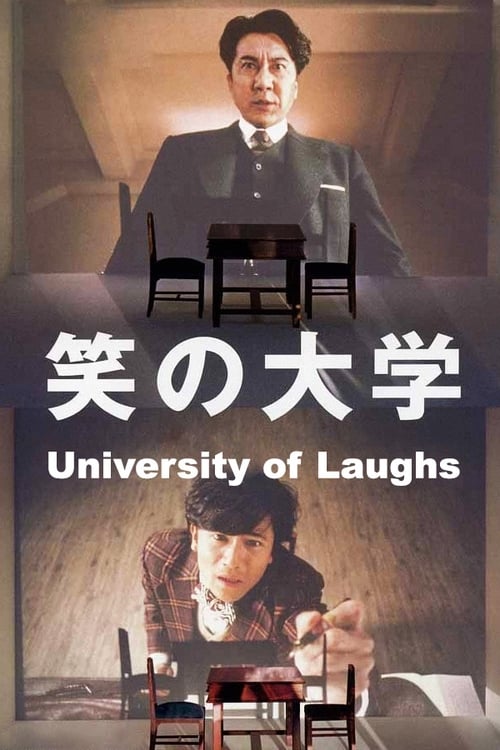
University of Laughs
2004
No user ratings available yet
Diversity score: 5.5 out of 10

2005
Director
Masahiko Tsugawa
Runtime
110 minutes
Average Rating
No ratings yetSynopsis
A celebration of the ancient art of Japanese rakugo, roughly translated as “comic storytelling”. The film is interspersed with numerous funerals and wakes, songs, dances, and often disgustingly crude jokes.
Overall Score
Fair
Category Breakdown
LGBTQ+ Representation
The film lacks explicit LGBTQ+ character arcs or narratives. While crude humor might touch on social taboos, there is no confirmed queer agency or representation.
Gender Representation
The focus on rakugo, a traditionally male-dominated art, suggests a narrative centered on established social structures. Female agency and the subversion of gender hierarchies remain unconfirmed.
Racial & Ethnic Diversity
This is a deeply localized exploration of Japanese heritage. It offers high cultural specificity without engaging in the intersectional blending seen in more globalized media.
Religious & Cultural Diversity
The film disrupts sanitized traditions by mixing solemn funerary rites with crude jokes. This presents cultural institutions as messy, humanistic, and complex lived experiences.
Disability Representation
There is no discernible evidence regarding the portrayal of physical or neurodivergent disabilities within the narrative.
Strengths
Areas for Improvement
AI Analysis
Masahiko Tsugawa’s film serves as a specialized cultural study rather than a platform for progressive identity politics. It excels at capturing the irreverent side of Japanese folk traditions, using the profane to complicate traditional views of social decorum. However, the film lacks explicit intersectional representation. The narrative architecture is heavily tied to traditional structures like rakugo and funerary rituals, which limits the visibility of diverse identities and modern social subversions.
2004
1958
1998
1970
2016
2012
1958
2021
1999
2015
2006

2010
No reviews yet. Be the first to share your thoughts on this movie!
Use the rating form above to leave a star rating and optional review.