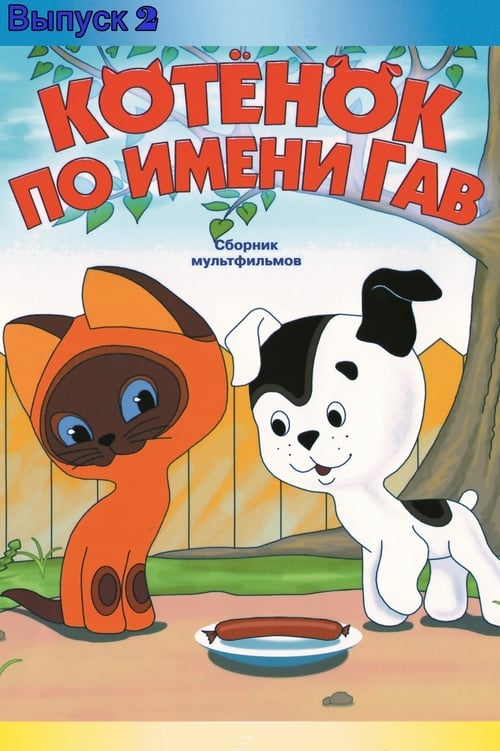
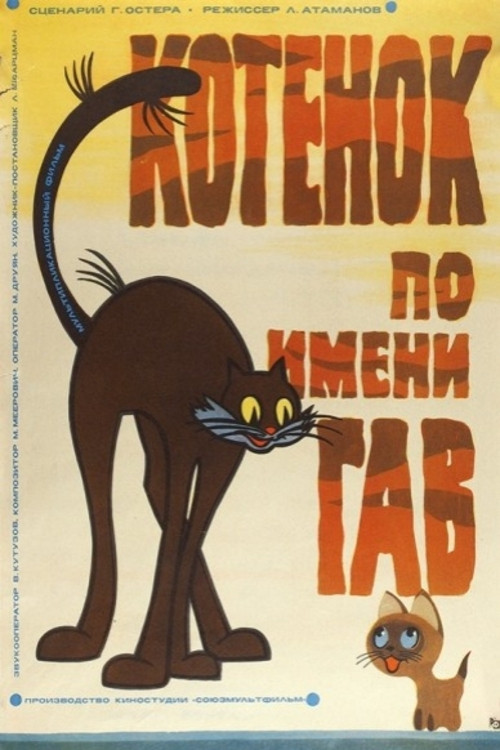
A Kitten Named Woof: The Second Story
1977
No user ratings available yet
Representation score: 2.2 out of 10
Representation Score
Limited
1976
Director
Lev Atamanov
Runtime
9 minutes
Average Rating
No ratings yetNew Showbiz Analysis
A Kitten Named Woof exemplifies mid-century storytelling focused on social harmony. It highlights communal interdependence and the idea that friendship can transcend biological boundaries through the bond between a kitten and a puppy. While the film offers a stable social model centered on cooperation, it lacks the complexity needed to challenge conventional norms. The focus remains on traditional storytelling and craftsmanship rather than subverting societal structures. Ultimately, the work reflects a culturally specific perspective of its time, offering a wholesome but narrow view of social interaction without exploring diverse identities or experiences.
Category Breakdown
The story centers on the friendship between a kitten and a puppy, with no indication of same-sex relationships or non-binary gender identities.
The anthropomorphized animals allow for a gender-neutral portrayal where ability to act is not tied to human gender roles. However, the absence of complex gender arcs limits character depth.
The film lacks racial or ethnic specificity due to its animal protagonists. The setting reflects a culturally uniform Soviet animation style.
The narrative emphasizes social collectivism and communal resource sharing, promoting social harmony and cooperation typical of its era.
The characters are depicted as physically capable and neurotypical. No visible or invisible disabilities are shown in the animated world.
Present on Screen
Limited or Absent
Official Synopsis
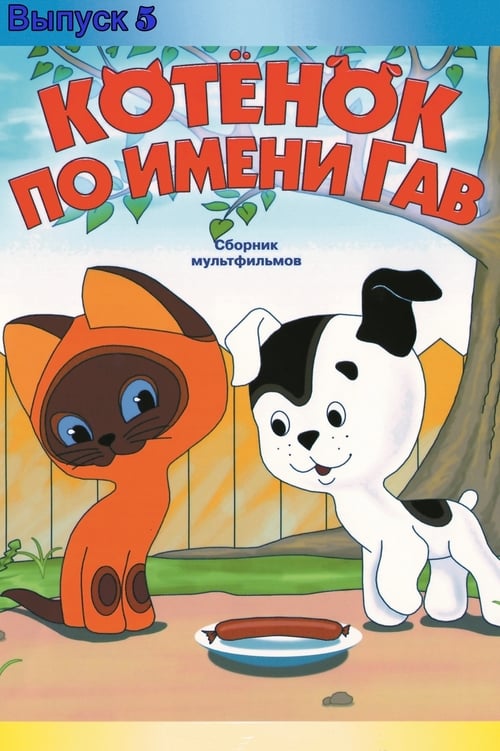
The cartoon tells about the adventures of a kitten with the unusual name of Woof and his friend - the puppy of Sharik. Woof constantly gets into ridiculous situations and finds adventures as soon as he leaves the house. He is sure that it is necessary to go to meet the trouble, because the old cat told him: "You are waiting for some troubles!". He also knows how to properly share sausages, why a secret language is needed and why one should be afraid of thunderstorms together with a friend in the attic.
1977

2016
1979
1980
1982
1978
1962
1979
No reviews yet. Be the first to share your thoughts on this movie!
Use the rating form above to leave a star rating and optional review.