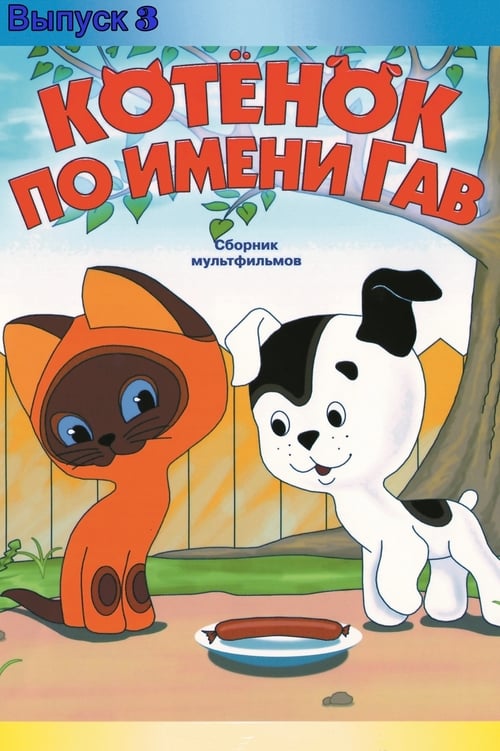
A Kitten Named Woof: The Third Story
1979
No user ratings available yet
Representation score: 4.5 out of 10
Representation Score
Limited
1980
Director
Lev Atamanov
Runtime
9 minutes
Average Rating
No ratings yetNew Showbiz Analysis
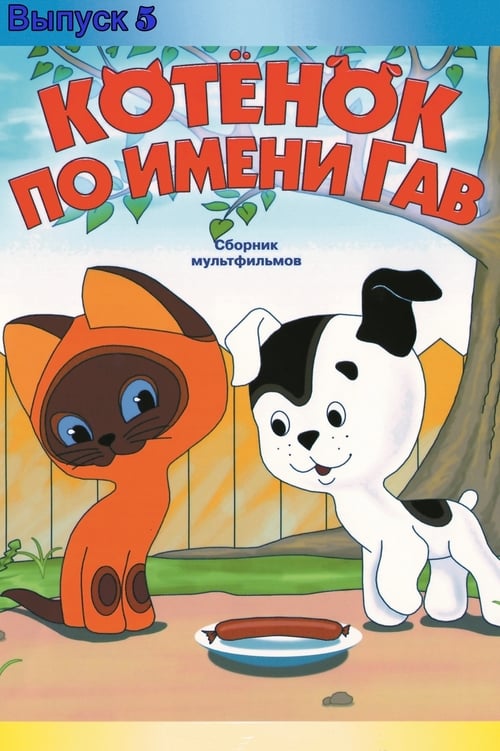
A Kitten Named Woof: The Fourth Story is a product of its historical and ideological era. As a Soviet-era animation, it prioritizes traditional narrative structures and moral clarity over the disruption of social hierarchies. The film functions as a cultural artifact that emphasizes collective values and established archetypes. It lacks the complexity and diverse representation found in modern progressive media. While the work represents a significant part of the Soviet animation school's history, its content remains rooted in the conventional social norms of 1980.
Category Breakdown
The film reflects the assumption that everyone is straight or cisgender, which was typical of 1980s Soviet animation. There is no evidence of characters with diverse gender identities or critiques of traditional social norms.
Female characters likely adhere to traditional archetypes of nurturing or moral guidance. The narrative appears to follow conventional gender roles prevalent in children's media of that era.
The production focuses on homogeneous cultural themes rather than multi-ethnic casting. It likely centers on Slavic folklore or centralized Soviet cultural identities.
The story promotes collective social values and traditional morality consistent with Soviet standards. It reflects state-sanctioned social cohesion and moral didacticism.
There is no information available regarding the presence or portrayal of characters with visible or invisible disabilities.
Present on Screen
Limited or Absent
1979
1977
1982
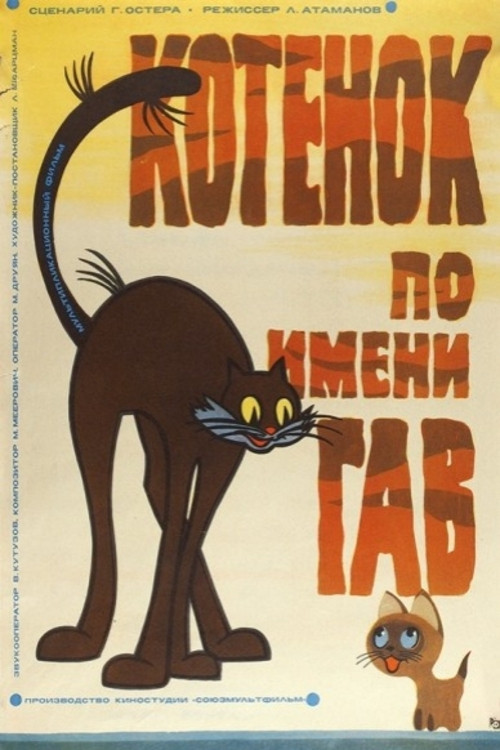
1976
1984
1969
1965
1949
No reviews yet. Be the first to share your thoughts on this movie!
Use the rating form above to leave a star rating and optional review.