The Good Egg
1939
No user ratings available yet
Representation score: 0.0 out of 10
Representation Score
Minimal
1936
NRDirector
David Hand
Runtime
8 minutes
Average Rating
No ratings yetNew Showbiz Analysis
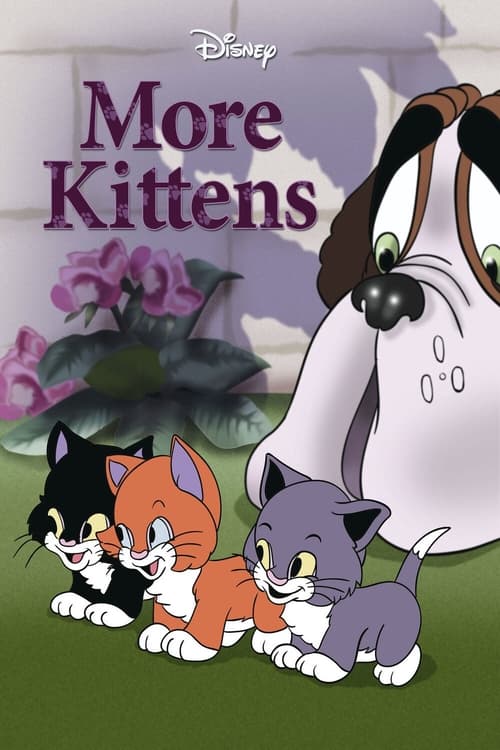
More Kittens is a typical animated short from 1936. It uses classic anthropomorphic animal characters and a displaced kitten protagonist to create a simple fantasy narrative. The film focuses on the survival of vulnerable kittens within a world dominated by larger figures and smaller antagonists. It reflects the traditional moralizing values of the Golden Age of animation.
Category Breakdown
The film contains no evidence of queer narratives or non-straight-centered identities. It adheres to the mainstream studio standards of the 1930s.
Representation is limited to a collective group of kittens. There is no evidence of specific gendered roles or the subversion of domestic hierarchies.
The use of anthropomorphic animals provides a neutral canvas but lacks diverse casting. The storytelling reflects the homogeneous standards of the mid-1930s.
The plot reinforces traditional notions of home and shelter. It follows a hierarchy of domestic stability versus the wild backyard.
There is no documented evidence of characters possessing visible or invisible disabilities. No such traits are used as narrative devices.
Present on Screen
Limited or Absent
Official Synopsis
Thrown out of the house into the backyard, the three kittens are sheltered by a giant Saint Bernard and are tormented by a turtle and a bluebird.
1939
1931
1935
1935
1950

1935
1951
1939
No reviews yet. Be the first to share your thoughts on this movie!
Use the rating form above to leave a star rating and optional review.