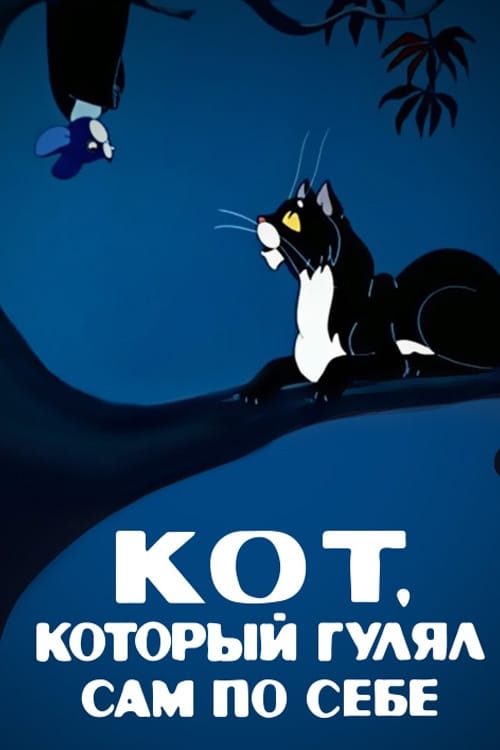
The Cat That Walked by Himself
1968
No user ratings available yet
Representation score: 4.2 out of 10
Representation Score
Minimal
1965
Director
Aleksandra Snezhko-Blotskaya
Runtime
20 minutes
Average Rating
No ratings yetNew Showbiz Analysis
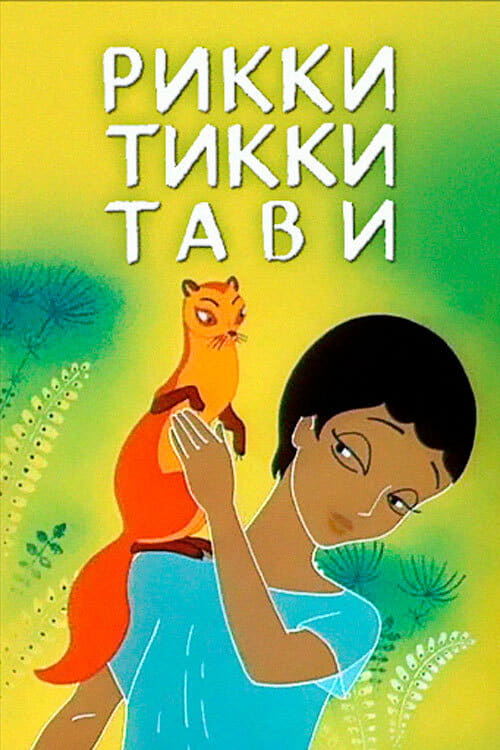
This Soviet animation serves as a traditional survivalist fable. It avoids overtly harmful stereotypes but operates within a conventional framework that upholds established social and domestic hierarchies. The narrative prioritizes the preservation of the existing family unit and the defense of the colonial domestic sphere. While the film uses animal protagonists to abstract racial tensions, the human perspective remains tied to the dominant colonial class. This results in a storytelling approach that minimally disrupts historical or social norms.
Category Breakdown
The film focuses solely on biological imperatives and domestic stability. There are no depictions of queer relationships or non-cisgender identities.
Characters adhere to traditional domestic roles within a colonial household. The antagonist Nagaina demonstrates significant influence through her maternal instincts, but the film does not challenge traditional gender power dynamics.
The story unfolds through the lens of a British colonial family in India. It lacks prominent roles for non-Anglo-Saxon individuals, focusing instead on animal characters.
The narrative centers on loyalty and protecting the home rather than religious doctrine. It portrays the colonial household as a stable unit worth defending without questioning Western institutions.
There are no prominent depictions of visible or invisible disabilities. The plot emphasizes physical strength and sensory acuity as crucial tools for survival.
Present on Screen
Limited or Absent
Official Synopsis
A valiant mongoose enters into an unequal battle with two snakes while tries to protect a human family.
1968
1949
1956
1948
1984

1955
1963
1977
No reviews yet. Be the first to share your thoughts on this movie!
Use the rating form above to leave a star rating and optional review.