The Scared Crows
1939
No user ratings available yet
Representation score: 0.4 out of 10
Representation Score
Minimal
1945
ApprovedDirector
Dick Lundy
Runtime
7 minutes
Average Rating
No ratings yetNew Showbiz Analysis
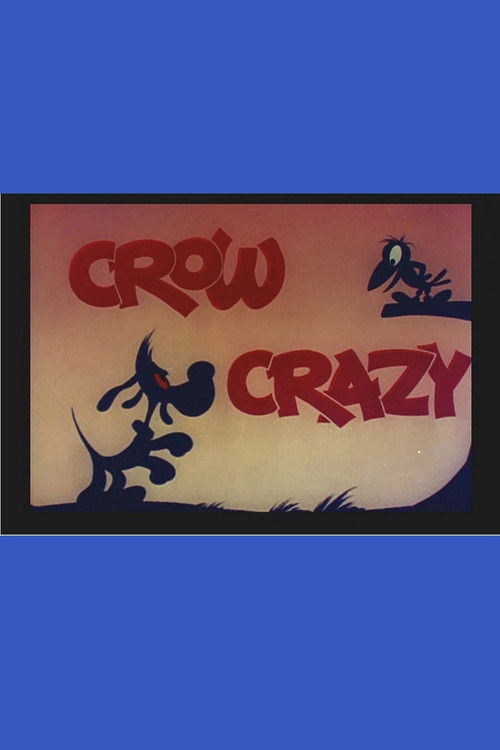
Crow Crazy is a quintessential mid-century studio animation that prioritizes physical slapstick over complex character development. The narrative revolves around conflicts between animal archetypes, offering no disruption to conventional social or cultural hierarchies. The film adheres to traditionalist clichés of the 1940s, focusing on situational comedy. Since the characters are anthropomorphic animals, they function as universal archetypes rather than reflections of specific multi-layered identities. Ultimately, the work lacks intentionality regarding diverse representation. It relies on established comedic structures and male-coded physical competition to drive its brief, cyclical plot.
Category Breakdown
The film features anthropomorphic animals such as a panda, a dog, and a crow. There are no characters with LGBTQ+ identities or gender-nonconforming traits.
The characters are portrayed through traditional masculine roles like the frustrated laborer and the trickster. The narrative does not provide women's ability to drive the story or challenge gender hierarchies.
The cast is uniform in its species-based characterization. The anthropomorphic animals serve as universal archetypes rather than reflecting specific racial or ethnic identities.
The story follows a Western comedic structure centered around property ownership and resource defense. It reinforces a standard trickster versus victim dynamic common to mid-century slapstick humor.
There are no characters with visible or invisible disabilities. Milo the dog’s ineptitude is presented as comedic incompetence rather than a nuanced portrayal of neurodivergence.
Present on Screen
Limited or Absent
Official Synopsis
Andy Panda finds his cornfield besieged by crows. He gets rid of them... except for one stubborn member who refuses to leave. When Andy realizes he's no match for the crow, he lets his dog, Milo, keep watch for him. Milo, however, is no genius himself and the crow soon convinces him that he should be chasing a goat and a bull. Finally, Milo comes to his senses and goes after the crow as does Andy but the two end up inadvertantly clubbing each other senseless while the crow makes off with the remainder of Andy's cornfield.
1939
1951
1955
1950
1938
1945
1940
1942
No reviews yet. Be the first to share your thoughts on this movie!
Use the rating form above to leave a star rating and optional review.