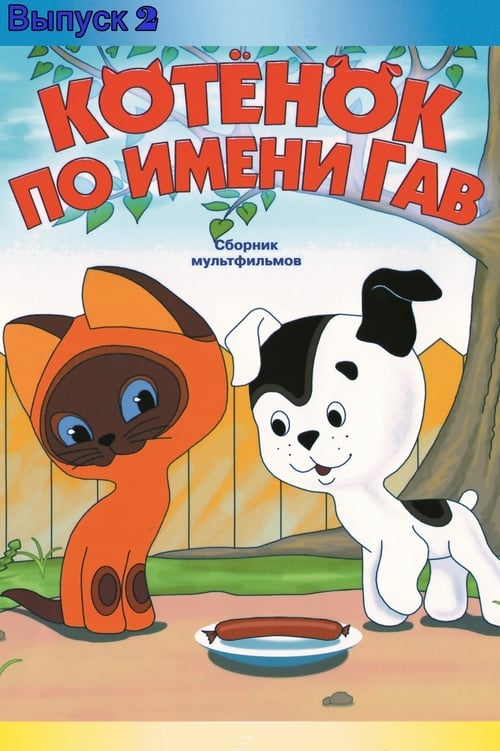
A Kitten Named Woof: The Second Story
1977
No user ratings available yet
Representation score: 2.2 out of 10
Representation Score
Limited
1982
Director
Leonid Shvartsman
Runtime
8 minutes
Average Rating
No ratings yetNew Showbiz Analysis
A Kitten Named Woof: The Fifth Story reflects the localized and traditionalist standards of 1982 Soviet animation. The film focuses on conventional character development that emphasizes communal ethics and technical skill over social disruption. The work lacks complexity in representing different identities and does not challenge social hierarchies. It adheres to established genre conventions and the demographic homogeneity common to its era of production. Ultimately, the film showcases high technical mastery but remains neutral regarding progressive messaging or disrupting social hierarchies.
Category Breakdown
The film does not include non-cisgender identities or same-sex relationships. It uses traditional animal characters that usually avoid showing queer identities.
Female voices are present, but roles tend to follow traditional archetypes of innocence. The film does not challenge gender hierarchies or masculine dominance.
The film reflects a localized, homogeneous cultural perspective typical of Soviet-era productions. Animal characters act as universal proxies, but specific ethnic diversity is not shown.
The narrative aligns with state-sanctioned morality and collective values. It does not use atheism as a subversive tool or show traditional family structures as problematic.
There are no visible depictions of physical or neurodivergent disabilities. Characters are not used as plot devices related to disabilities.
Present on Screen
Limited or Absent
1977
1979
1980
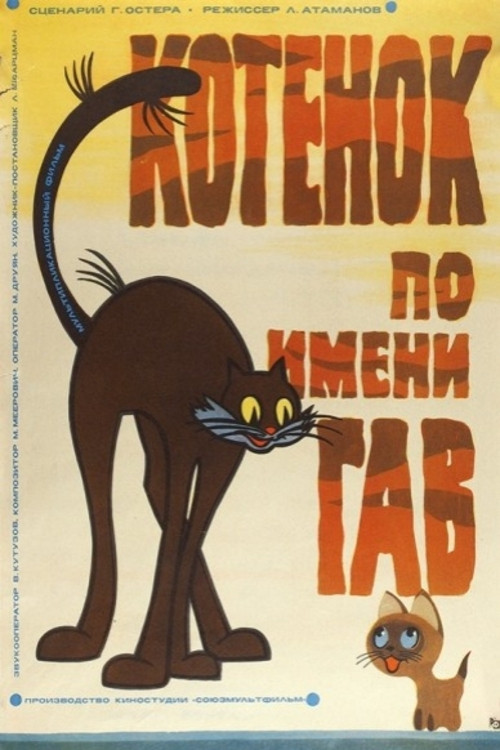
1976
1987
1949
1965

1987
No reviews yet. Be the first to share your thoughts on this movie!
Use the rating form above to leave a star rating and optional review.