A Kitten Named Woof: The Second Story
1977
No user ratings available yet
Representation score: 2.2 out of 10
Representation Score
Fair
1979
Director
Lev Atamanov
Runtime
9 minutes
Average Rating
No ratings yetNew Showbiz Analysis
A Kitten Named Woof: The Third Story reflects the traditionalist approach of the 1979 Soviet animation industry. The film prioritizes established narrative clichés and era-specific social structures over the deconstruction of identity-based hierarchies. The representation is largely homogeneous, using anthropomorphic characters that avoid complex discussions of race, gender, or disability. While it maintains a secular, humanist moral framework, it lacks the multi-layered approach found in modern animation. Ultimately, the work functions as a classic character-driven installment within a long-running franchise, staying firmly within the cultural and social norms of the late Soviet era.
Category Breakdown
The film follows the assumption that everyone is straight or cisgender, which was common in late-1970s Soviet animation. There are no representations of same-sex relationships or non-binary gender identities.
Characters likely follow traditional archetypes common to children's animation of this era. The story does not challenge traditional gender roles or depict masculinity in a humorous way.
The cast reflects a localized, anthropomorphic perspective typical of the Soviet studio system. It focuses on universalized animal characters rather than explicit racial metaphors or diverse cultural perspectives.
The film aligns with secular, communal values and a humanist framework. It operates within a stable, state-sanctioned moral ecosystem without engaging in disruptive critiques.
There is no evidence of characters with disabilities being portrayed with significant roles. Disability is either absent or used as a minor plot device without deep exploration.
Present on Screen
Limited or Absent
1977
1980
1982
1976
1969
1949
1959
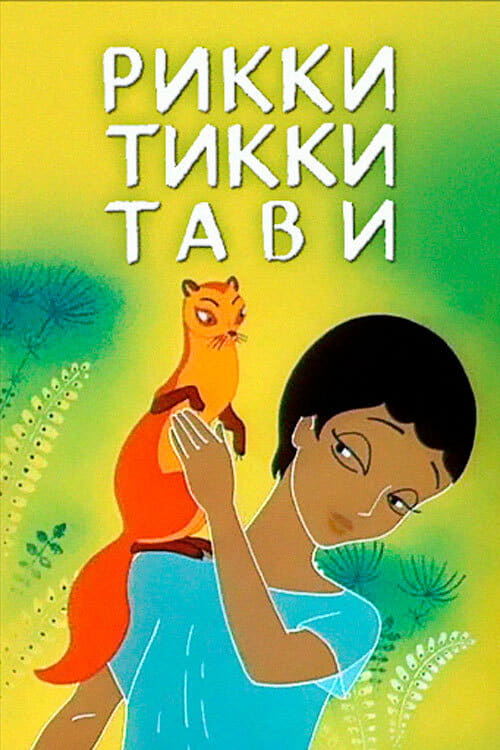
1965
No reviews yet. Be the first to share your thoughts on this movie!
Use the rating form above to leave a star rating and optional review.