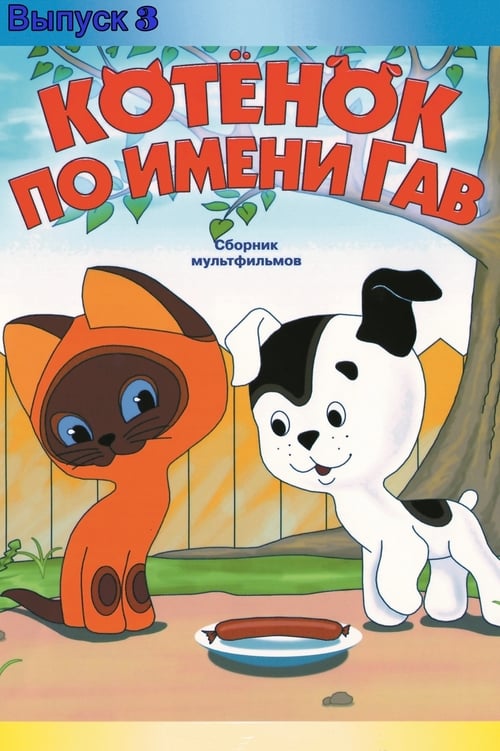
A Kitten Named Woof: The Third Story
1979
No user ratings available yet
Representation score: 4.5 out of 10
Representation Score
Limited
1977
Director
Lev Atamanov
Runtime
9 minutes
Average Rating
No ratings yetNew Showbiz Analysis
Produced in 1977, this Soviet animation functions within a specific historical and ideological framework. The storytelling is rooted in classical, folkloric traditions rather than modern, identity-driven narrative structures. The film prioritizes collectivist values and state-sanctioned pedagogical themes. This focus on social responsibility often comes at the expense of exploring the way different parts of someone's identity overlap or disrupting established social hierarchies. Ultimately, the work reflects the era's emphasis on traditionalist structures. It lacks the deconstruction of hierarchies or the exploration of diverse identities found in contemporary global cinema.
Category Breakdown
The film does not include any queer narratives or challenges to the assumption that everyone is straight or cisgender. Given its 1977 Soviet origin, the story does not explore identities beyond those traditionally assigned at birth.
Character arcs likely follow traditional gender roles or archetypes common to the era. The use of anthropomorphic characters may explore social dynamics without actively challenging gender norms.
The work reflects a localized cultural perspective typical of the Soviet animation industry. It likely defaults to homogeneous designs unless specifically engaging with ethnic folklore.
The narrative architecture emphasizes collectivism and social responsibility. It operates through a lens of state-aligned morality rather than postmodern moral relativism.
There is no verifiable evidence of neurodivergent or physical disability representation in this title.
Present on Screen
Limited or Absent
1979
1980
1982
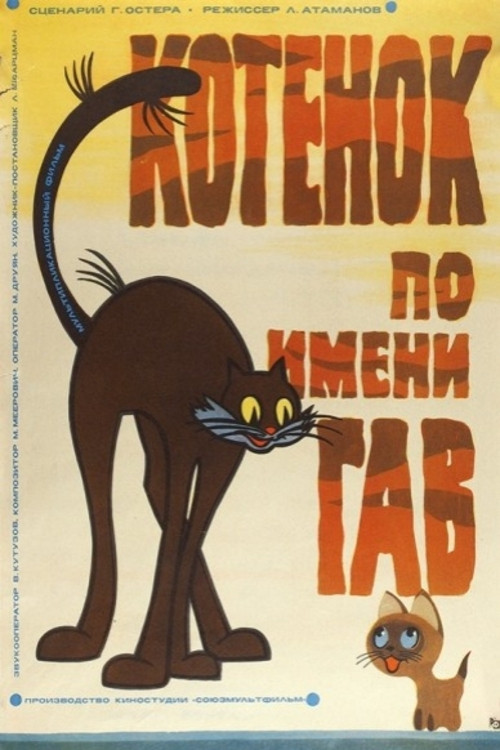
1976

1969
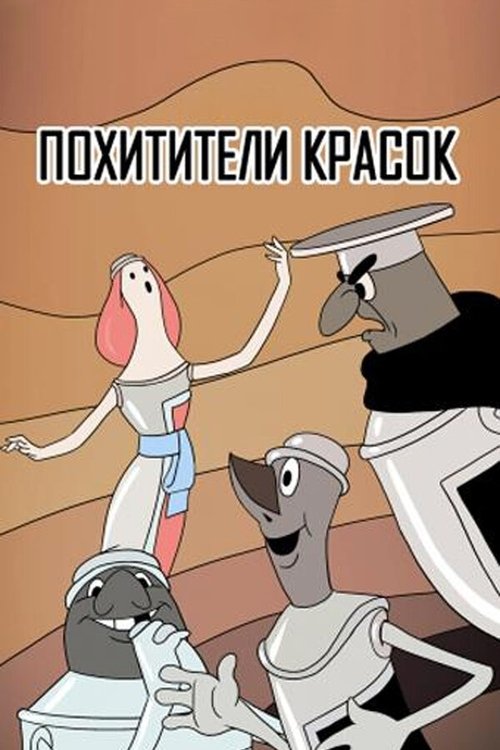
1959
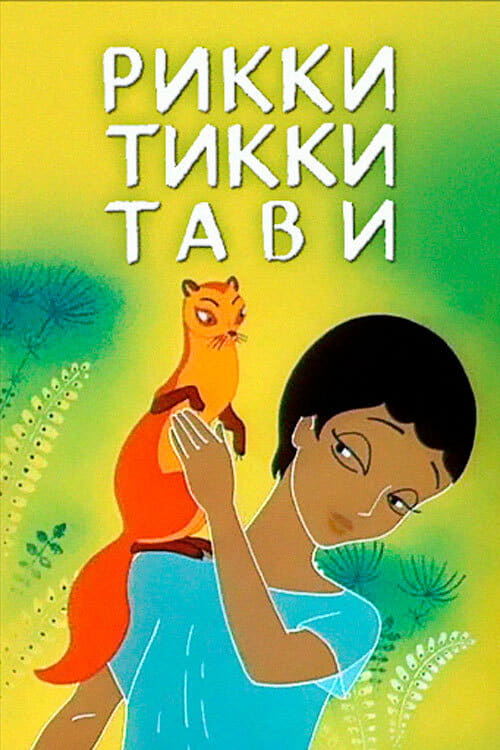
1965
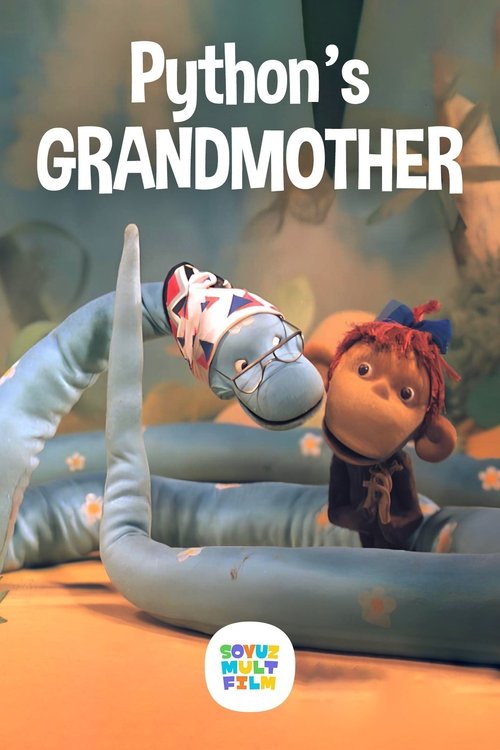
1977
No reviews yet. Be the first to share your thoughts on this movie!
Use the rating form above to leave a star rating and optional review.