Difficult Years
1948
No user ratings available yet
Representation score: 1.6 out of 10
Representation Score
Limited
1982
Director
Gianfranco Mingozzi
Runtime
112 minutes
Average Rating
No ratings yetNew Showbiz Analysis
The film is a politically charged period drama that prioritizes systemic critique over demographic variety. Its strength lies in its intellectual depth, using a meta-cinematic structure to explore the tension between fascism and grassroots resistance. While the film lacks representation in terms of LGBTQ+ and racial diversity, this is largely reflective of its specific 1920s Italian setting. Instead, it finds its voice through cultural and political subversion. Ultimately, the film succeeds by framing the cinematic medium as a tool for political awakening. It challenges dominant power structures by prioritizing political reality over religious and state-sponsored spectacles.
Category Breakdown
The film does not include any LGBTQ+ characters or non-straight relationships. The story focuses solely on fraternal bonds and political alliances.
The story adheres to traditional 1920s gender roles. The Marchesa's influence is primarily defined by her connection to Angelo.
Set in provincial Italy, the film reflects the homogeneous demographics of the time. It operates within a localized, Eurocentric framework without showcasing racial diversity.
The film strongly critiques fascist institutions and religious spectacle. It uses cinema to challenge state-sanctioned violence and traditional social orders.
There are no characters with physical or neurodivergent disabilities featured prominently in the plot.
Present on Screen
Limited or Absent
Official Synopsis
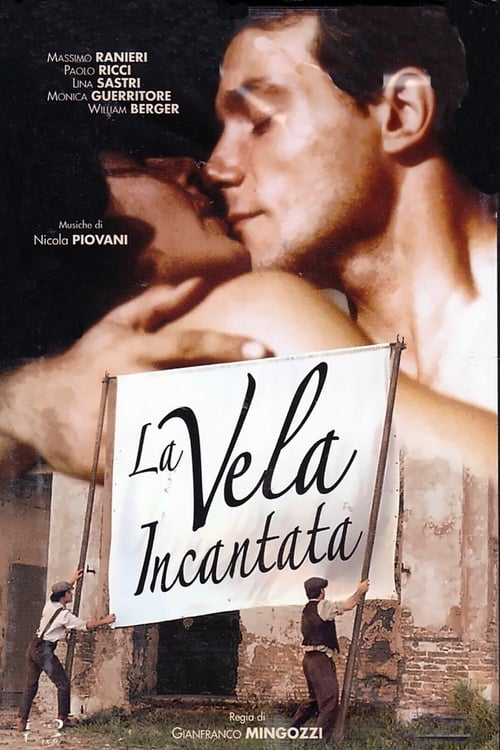
The time is the late 1920s, and Angelo and Tonino are two brothers traveling around the country in a rattle-trap truck, showing moving pictures to any group of people willing to pay. When they arrive in the region of Emilia-Romagna, Angelo strikes up a relationship with a wealthy marchesa connected to the fascist movement. Tonino, on the other hand, starts to follow the rebellious Giovanni, locked up for his anti-fascist stance, and the farmers who have joined in the anti-fascist forces. As the rebels are either murdered or put in prison, Tonino becomes more and more commited to their cause - especially after Giovanni is killed. When a silent movie on the condemned and dying Christ is shown on the brothers' screen, Tonino stops the action to project some slides he has taken that show who murdered Giovanni - in an action that calls for his brother and the rest of the bystanders to finally make a decision on where to place their loyalties.
1948

1973
1981

1957
1962
1995
1980
1970
No reviews yet. Be the first to share your thoughts on this movie!
Use the rating form above to leave a star rating and optional review.