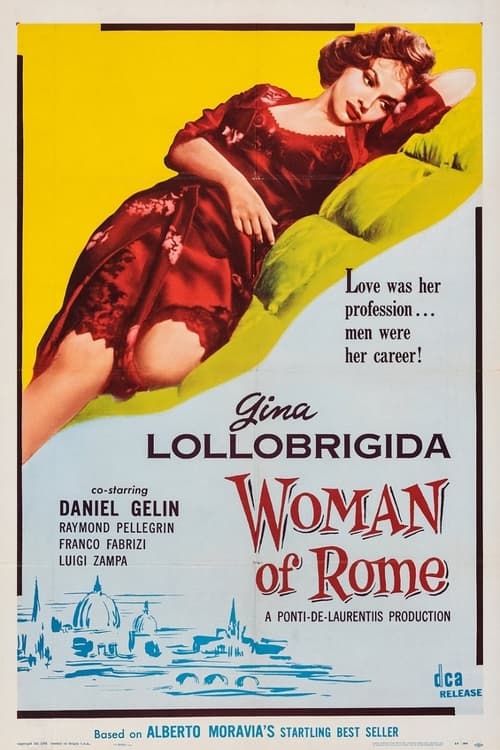
Woman of Rome
1954
No user ratings available yet
Representation score: 3.1 out of 10
Representation Score
Minimal
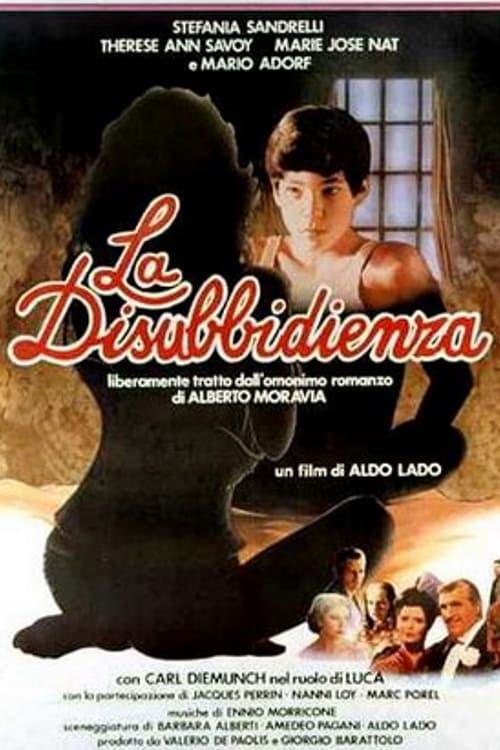
1981
Director
Aldo Lado
Runtime
98 minutes
Average Rating
No ratings yetNew Showbiz Analysis
Disobedience is a psychological drama that prioritizes existential exploration over demographic variety. The film functions as a study of individual transition and the failure of systemic change following the war. While the narrative avoids promoting idealized Western structures, it lacks complexity in reflecting multiple aspects of identity. The focus remains on a singular male experience of disillusionment within a specific historical setting. Ultimately, the work serves as a character study rather than a vehicle for social or identity-based representation.
Category Breakdown
The film follows a young protagonist's sexual awakening through a female mentor. It does not include non-binary gender identities or narratives that challenge the assumption that everyone is straight or cisgender.
Edith exerts significant influence over the protagonist, disrupting some traditional hierarchies. However, the narrative remains centered on a male perspective and traditional power dynamics.
The cast is homogeneous, reflecting the specific historical and geographic context of the Italian Social Republic. There is no evidence of intentional racial blending.
The story critiques established institutions by focusing on individual disillusionment over patriotic or religious fervor. It favors a secular, subjective moral framework.
There are no characters with visible or invisible disabilities portrayed with a significant role or as central to the narrative arc.
Present on Screen
Limited or Absent
Official Synopsis
Luca Manzi is a fourteen year old boy when the Northern Italy Republic of Salò is governed by the Fascists. He becomes a partisan but when the war ends he is disappointed because things have not changed as he had hoped they wood, and he decides to let himself die. He is saved by Edith who tries to introduce him to sex. Based on the novel by Alberto Moravia.
1954

1973
1948

1957

1964
1980
1975
1981
No reviews yet. Be the first to share your thoughts on this movie!
Use the rating form above to leave a star rating and optional review.