
The House of the Three Girls
1958
No user ratings available yet
Representation score: 1.0 out of 10
Representation Score
Limited
2001
RDirector
Bruce Beresford
Runtime
99 minutes
Average Rating
No ratings yetNew Showbiz Analysis
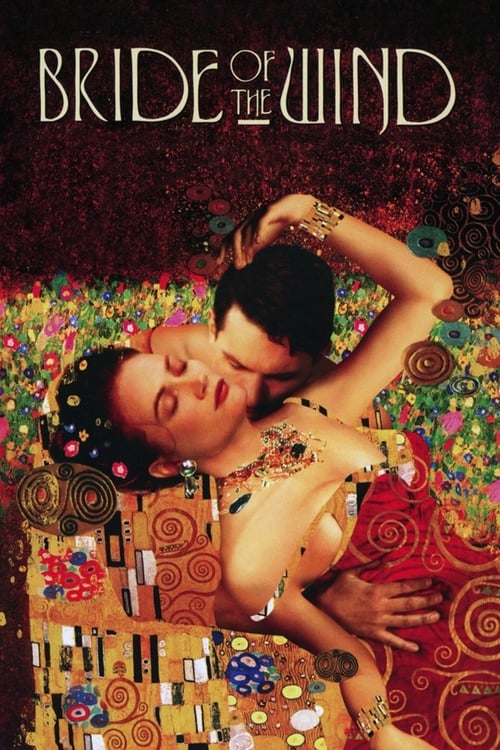
Bride of the Wind is a period biopic that prioritizes individual emotional survival over broader social critique. While it offers a nuanced look at the limitations placed upon women, the film remains deeply rooted in the homogeneous social structures of its era. The narrative lacks demographic breadth, focusing almost exclusively on a Western, Anglo-Saxon perspective. This results in a lack of multi-layered complexity, as the film does not engage with diverse identities or non-normative social structures. Ultimately, the film functions as a character study of a specific historical moment. It succeeds in highlighting gendered isolation but fails to provide a diverse or inclusive representation of the broader human experience.
Category Breakdown
The film does not include any LGBTQ+ characters or offer any critique of traditional sexual norms.
The story centers on the female experience and the psychological impact of patriarchal structures. It effectively portrays the protagonist's struggle for autonomy against restrictive gender hierarchies.
The setting reflects a predominantly Anglo-Saxon colonial landscape. There is a lack of minority characters with real roles or multi-layered casting.
The narrative focuses on Western socioeconomic realities like land ownership and marriage. It depicts these institutions as rigid social structures without critiquing them.
There are no prominent depictions of visible or invisible disabilities. No neurodivergence or chronic illness serves as a central narrative driver.
Present on Screen
Limited or Absent
Official Synopsis
A biopic of Alma Mahler, the wife of composer Gustav Mahler (as well as Walter Gropius and Franz Werfel), and the mistress of Oskar Kokoschka.
1958
1998
1950

1996
1944
2004

1950

1992
No reviews yet. Be the first to share your thoughts on this movie!
Use the rating form above to leave a star rating and optional review.