
The House of the Three Girls
1958
No user ratings available yet
Representation score: 1.0 out of 10
Representation Score
Limited
1950
ApprovedDirector
Harold French
Runtime
98 minutes
Average Rating
No ratings yetNew Showbiz Analysis
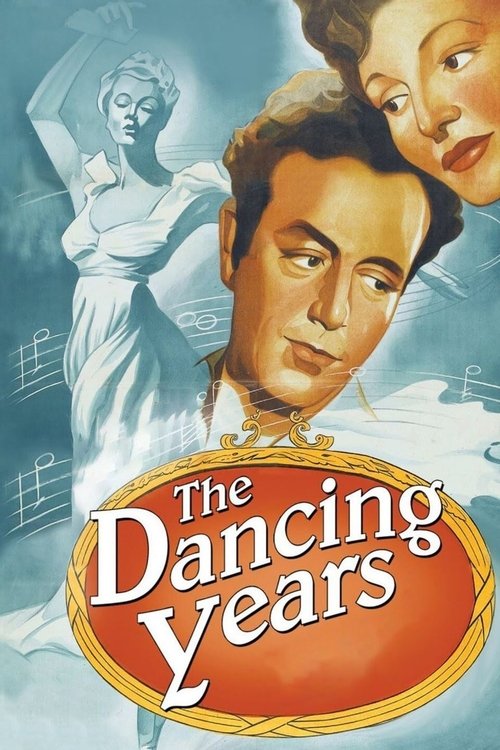
The Dancing Years is a quintessential product of its era, prioritizing historical romanticism and the preservation of traditional European cultural hierarchies. The narrative focuses on the life of a composer and the women tied to his legacy, operating within a very narrow social framework. While the film offers some nuance regarding women's ability to drive the story in the arts, it remains tethered to a traditional hierarchy. The storytelling follows a conventional moral trajectory that reinforces existing social norms rather than challenging them. Ultimately, the film lacks perspectives that reflect multiple aspects of identity, opting instead for a streamlined, classical approach to biographical storytelling that reflects the demographic and social homogeneity of its setting.
Category Breakdown
The film adheres to strict social structures typical of early 20th-century Vienna, where everyone is assumed to be straight or cisgender. There is no evidence of any queer subtext or diverse LGBTQ+ identities within the plot.
Female characters such as Maria Zeitler have significant emotional weight and professional presence. However, their success is often viewed through the lens of romantic sacrifice and their relationships with the male protagonist.
The production reflects the demographic homogeneity of a European high-culture milieu. The cast and setting prioritize a Western, Anglo-European aesthetic without introducing non-white perspectives.
The story celebrates traditional Western high art and the classical musical tradition. It romanticizes a specific historical European lifestyle and reinforces the stability of European cultural institutions.
There is no focus on neurodivergence, physical disabilities, or mental health issues. Characters operate within able-bodied archetypes common to mid-century musical dramas.
Present on Screen
Limited or Absent
Official Synopsis
The episodic story of a composer of operettas, Rudi Kleiber, in in old Viennese days, and the two women in his life; Maria Zeitler, his sweetheart, later mistress, lost love, an operetta star, and his first patron, and the mother of a son he did not know he had; and of Greta, his first love and companion in later years
1958
1955
1944
1936

1950
1948
1929

1954
No reviews yet. Be the first to share your thoughts on this movie!
Use the rating form above to leave a star rating and optional review.