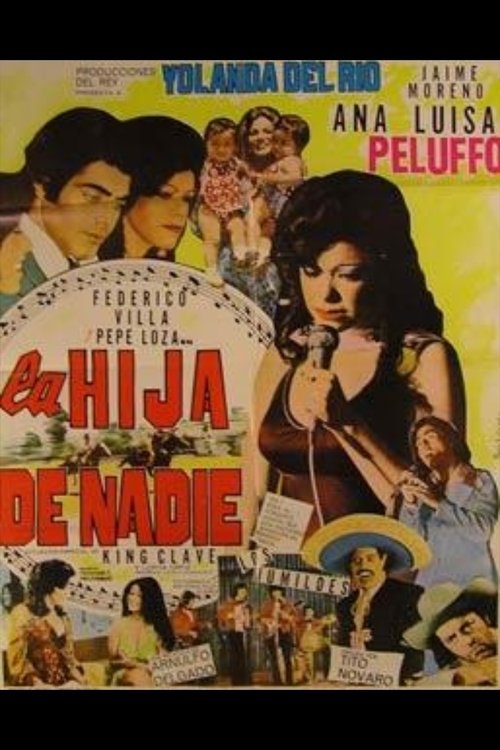
La hija de nadie
1979
No user ratings available yet
Representation score: 1.5 out of 10
Representation Score
Minimal
1960
Director
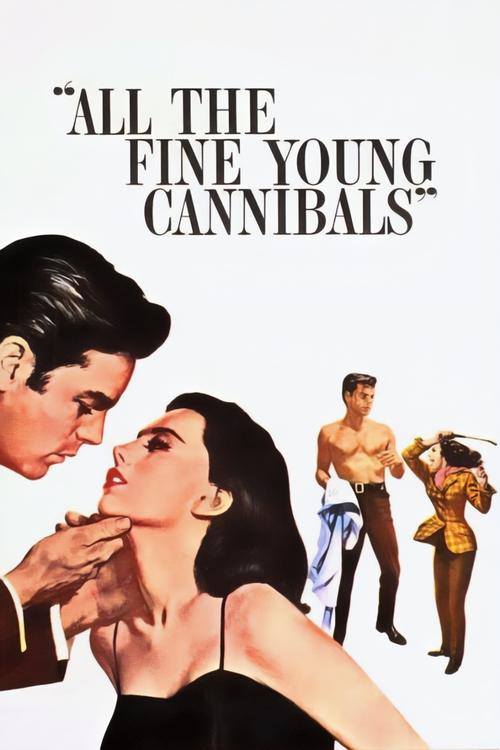
Michael Anderson
Runtime
112 minutes
Average Rating
No ratings yetNew Showbiz Analysis
All the Fine Young Cannibals is a study of social realism that emphasizes class-based tensions over modern diversity. The film focuses on a localized, white working-class environment, limiting its racial and ethnic range. While it lacks diversity in terms of sexuality and disability, it provides a nuanced view of cultural conflict. It portrays youthful rebellion as a reaction to oppressive social structures rather than simple criminality. Ultimately, the film's strength lies in its critique of traditional authority, even though it adheres to the gendered and racial norms of its 1960 setting.
Category Breakdown
The film does not include any LGBTQ+ characters or representations of non-straight identities. It stays focused on the traditional heterosexual relationships common in 1960s British social realism.
The story centers around traditional male-dominated hierarchies. A female protagonist drives the plot, but her role is closely tied to marriage and domestic life.
The cast is mostly made up of white actors, reflecting the rural English village setting. There are no characters from non-Anglo-Saxon backgrounds.
The film criticizes rigid British institutions by showing youth delinquency as a response to a stagnant social hierarchy. It explores generational rebellion against established norms.
There is no depiction of physical, sensory, or neurodivergent disabilities in the story.
Present on Screen
Limited or Absent
Official Synopsis
An ambitious farm girl rushes into marriage with a rich man, almost destroying four lives in the process.
1979
1958
1956
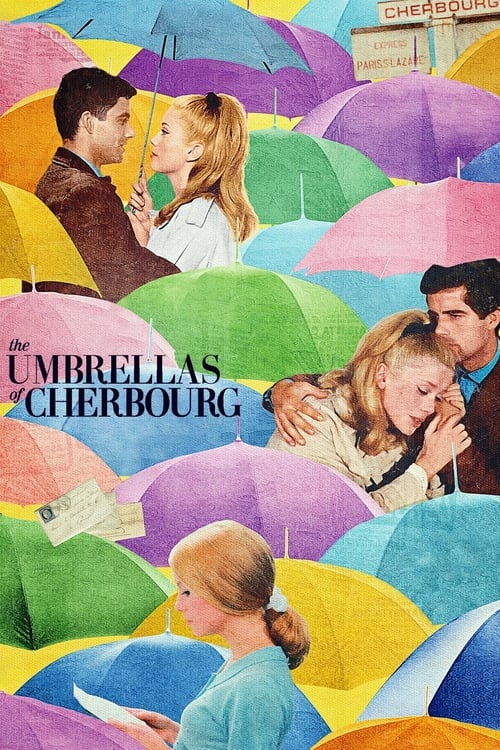
1964
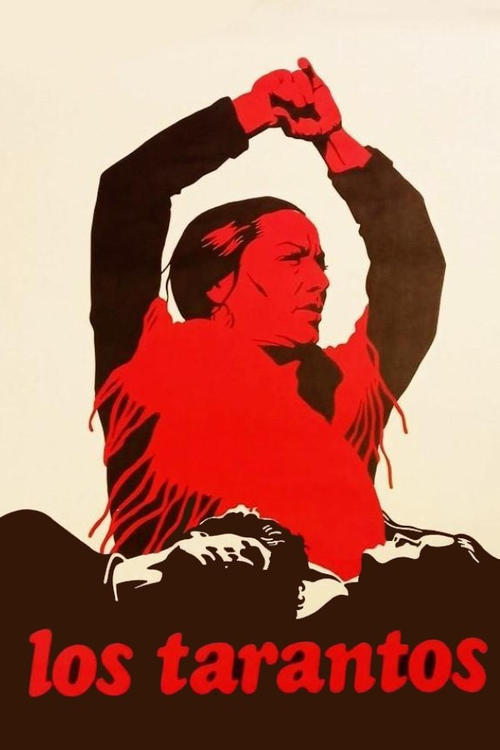
1963
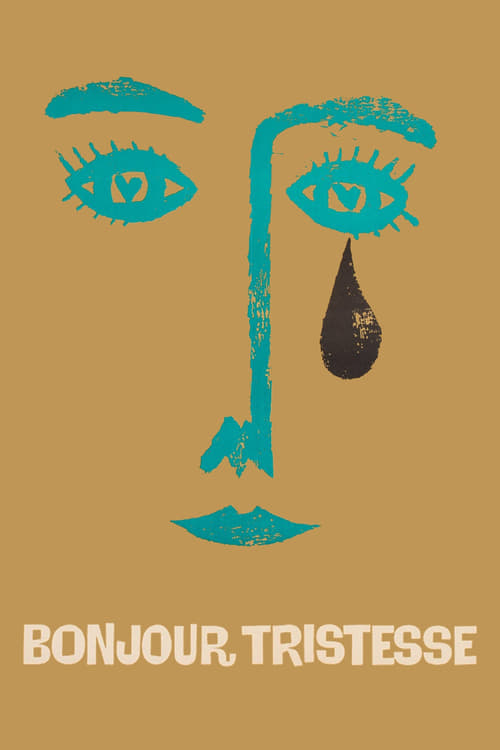
1958
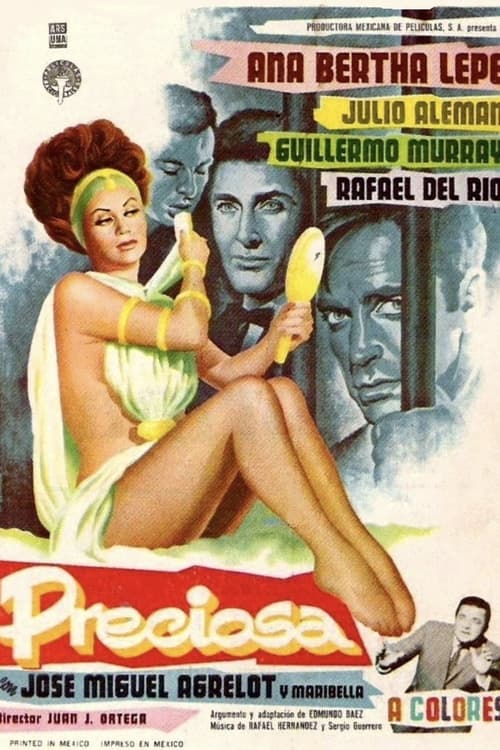
1965

1953
No reviews yet. Be the first to share your thoughts on this movie!
Use the rating form above to leave a star rating and optional review.