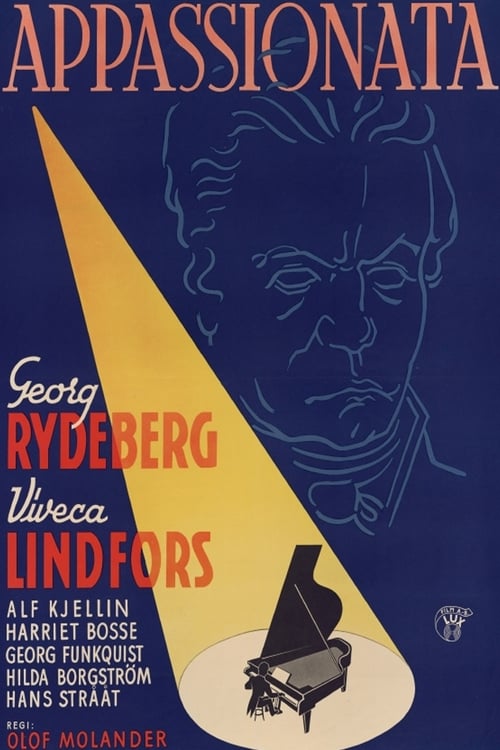
Appassionata
1944
No user ratings available yet
Representation score: 2.5 out of 10

Representation Score
Limited
1945
NRDirector
Charles Vidor
Runtime
113 minutes
Average Rating
No ratings yetNew Showbiz Analysis
A Song to Remember is a classic biographical romance set in the 1940s. It presents a nuanced character study of Chopin and the intellectual influence of George Sand. However, it remains firmly rooted in the social hierarchies of the time, lacking diversity. The film's strengths include its exploration of mentorship and the complex influence of strong female intellectuals. Yet, it operates within a strictly Eurocentric and straight-centered framework, offering limited characters who reflect more than one aspect of diversity. Ultimately, the film celebrates Western classical art and the romanticized struggle of the artist, but it fails to include diverse representation.
Category Breakdown
The film adheres to mid-1940s standards that assume everyone is straight and cisgender. There are no representations of LGBTQ+ identities or non-cisgender gender expressions.
The film features a strong female character, George Sand, who significantly influences the protagonist's journey. However, female characters mainly serve as catalysts for the male protagonist's development.
The narrative centers on Polish identity and European history. While it highlights Chopin's heritage, the cast remains largely homogeneous within a Western European context.
The story emphasizes traditional Western values and the 'great man' historical trajectory. It explores tensions between Polish nationalism and Parisian cosmopolitanism through a conventional lens.
The film lacks any significant depiction of physical, neurodivergent, or sensory disabilities. The narrative focuses on psychological and emotional struggles.
Present on Screen
Limited or Absent
Official Synopsis
Prof. Joseph Elsner guides his protégé Frydryk Chopin through his formative years to early adulthood in Poland. The professor takes him to Paris, where he eventually comes under the wing and influence of novelist George Sand and rises to prominence in the music world, to the exclusion of his old friends and patriotic feelings towards Poland.
1944

1994

1958

2009
1992
2007

1970
2001
No reviews yet. Be the first to share your thoughts on this movie!
Use the rating form above to leave a star rating and optional review.