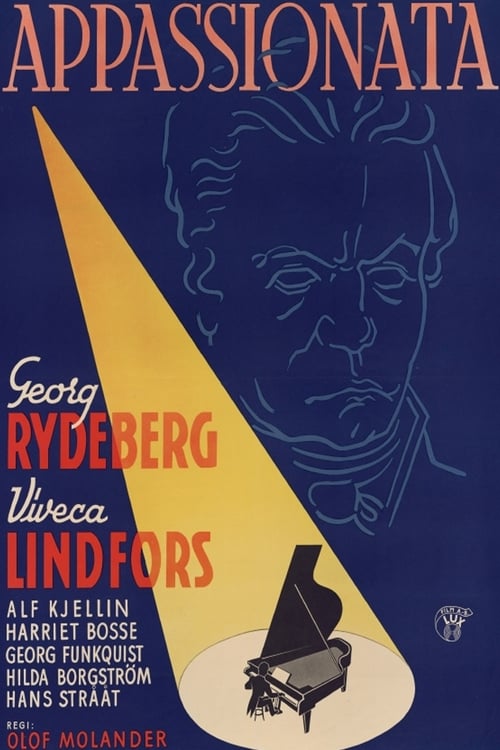
Appassionata
1944
No user ratings available yet
Representation score: 2.5 out of 10
Representation Score
Limited
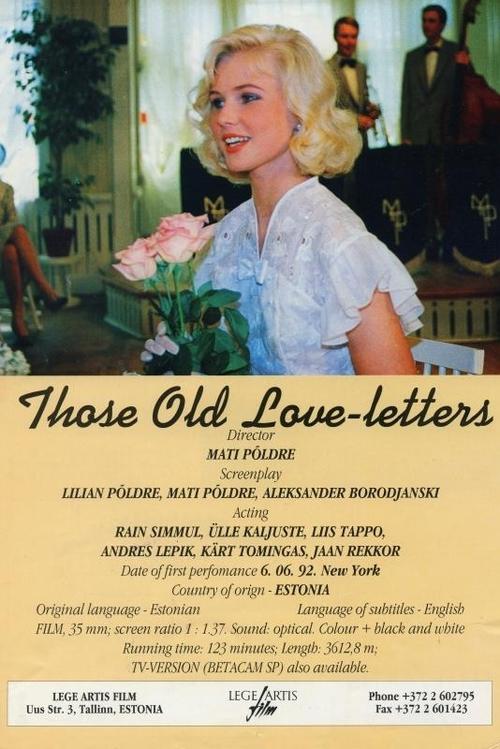
1992
Director
Mati Põldre
Runtime
125 minutes
Average Rating
No ratings yetNew Showbiz Analysis
Mati Põldre’s biographical drama explores the tension between personal expression and systemic political oppression. By centering on the life of songwriter Raimond Valgre, the film examines how changing regimes can suppress individual ability to act and artistic truth. While the film lacks modern markers of diversity such as LGBTQ+ representation or racial diversity, it finds strength in its critique of authoritarian institutional power. The narrative focuses on the conflict between a creator and a state that seeks to control cultural norms. Ultimately, the film functions as a traditional period piece. It prioritizes the historical and political struggles of a specific male figure over a broad spectrum of diverse identities.
Category Breakdown
The film focuses on the romantic and professional life of Raimond Valgre. There is no indication of LGBTQ+ identities or critiques of the assumption that everyone is straight or cisgender within the narrative.
As a biographical drama, the story centers on the male protagonist's journey. While the title suggests a focus on romantic dynamics involving a woman, the plot emphasizes the male artist's struggles.
Set in 1930s and 40s Estonia, the film likely features an ethnically homogeneous cast. It does not appear to use race-bending techniques or non-Western metaphors to address diversity.
The film explores the conflict between individual artistic truth and oppressive Soviet ideology. It highlights the struggle of a songwriter whose work was considered unsuitable for state-mandated morality.
There is no evidence that characters with visible or invisible disabilities play a central role in the story or serve as significant plot devices.
Present on Screen
Limited or Absent
Official Synopsis
A film about the life of Raimond Valgre, an Estonian songwriter and singer of the 1930s and 40s, the political changes of his country and his life after the war when his songs were considered not suitable for the Soviet way of life.
1944

1945
2007
1974

1950

2013
1999
1973
No reviews yet. Be the first to share your thoughts on this movie!
Use the rating form above to leave a star rating and optional review.