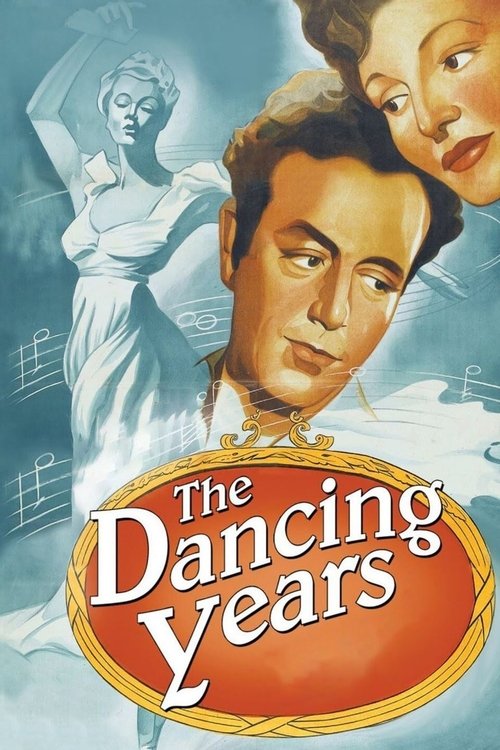
The Dancing Years
1950
No user ratings available yet
Representation score: 3.2 out of 10

Representation Score
Minimal
1958
Director
Ernst Marischka
Runtime
102 minutes
Average Rating
No ratings yetNew Showbiz Analysis
The film is a traditional period romance that adheres strictly to the social and cultural norms of its era. It prioritizes historical nostalgia and classical storytelling over disrupting social hierarchies. The narrative structure reinforces historical romantic hierarchies. By focusing on the conventional struggles of Franz Schubert and the marriages of his daughters, the film maintains a standard approach to gender and social dynamics. Ultimately, the work lacks intentionality regarding diverse representation. It functions as a celebration of 19th-century Austrian sentimentality rather than a critique of the period's social constraints.
Category Breakdown
The film centers on traditional heterosexual relationships and marriage. There are no depictions of LGBTQ+ identities or critiques of these traditional structures.
Women in the film are portrayed as objects of desire or catalysts for the male protagonist's emotional journey. They play key roles in the central conflict but within traditional romantic frameworks.
Set in 1826 Vienna, the film reflects a historically homogeneous European society. The setting focuses on a localized Austrian social hierarchy without racial diversity.
The narrative celebrates traditional Western cultural institutions and Viennese musical heritage. It emphasizes classical artistry and romantic sentimentality without challenging established social structures.
There are no visible or invisible disabilities mentioned or depicted within the character arcs.
Present on Screen
Limited or Absent
Official Synopsis
Vienna, 1826. The penniless composer Franz Schubert lives with friends in the house of court glazier Tschöll and his wife. Because of their three beautiful daughters, Hederl, Haiderl, and Hannerl, the property is called the "Three Girls' House." Hederl and Haiderl celebrate a double wedding with the gentlemen, master saddler Bruneder and postmaster Binder. Due to an intrigue by soprano Lucia Grisi, Hannerl, with whom Schubert is in love but dares not reveal herself, turns away from him and marries singer Franz von Schober. Schubert is left with nothing but music.
1950
1955
2001
2004

1945

1950
1934
1944
No reviews yet. Be the first to share your thoughts on this movie!
Use the rating form above to leave a star rating and optional review.