
To Joy
1950
No user ratings available yet
Representation score: 4.2 out of 10
Representation Score
Limited
1944
ApprovedDirector
Olof Molander
Runtime
108 minutes
Average Rating
No ratings yetNew Showbiz Analysis
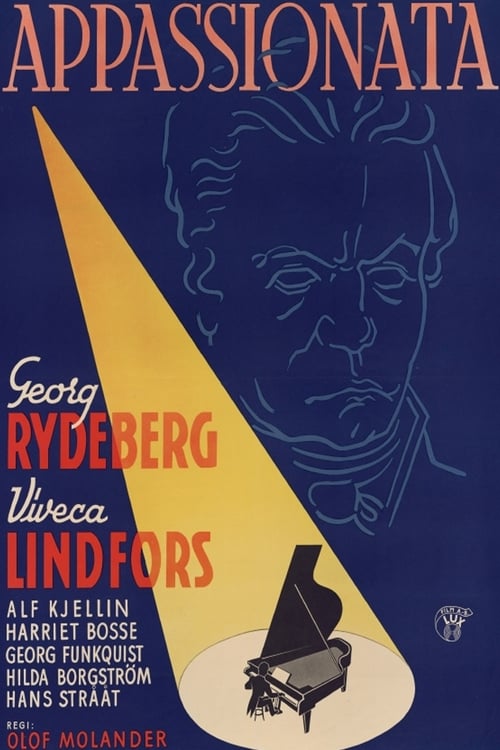
Appassionata is a mid-century Swedish melodrama deeply rooted in the traditional cinematic conventions of its time. The film centers on the life of a professional musician, focusing on personal passion and classical artistry. Operating within the social hierarchies of 1940s Europe, the film lacks significant representation of underrepresented groups. Its narrative structure favors classical European dramatic clichés over challenging systemic norms. Ultimately, the film serves as a period piece reflecting a homogeneous social landscape, emphasizing high-art aesthetics and psychological depth within a conventional framework.
Category Breakdown
The film follows the traditional narrative structures common in 1940s melodramas. There is no indication of queer subtext or non-cisgender identities.
The narrative likely emphasizes traditional gender roles. Female characters may play key emotional roles but their influence often revolves around romance or domestic life.
The production mirrors the homogeneous society of 1944 Sweden. It lacks diverse casting or any challenge to Eurocentric norms.
The story operates within the context of Western high culture and classical music. It upholds established social values without questioning Western institutions.
There is no evidence of characters with visible or invisible disabilities in this production.
Present on Screen
Limited or Absent
Official Synopsis
A classic melodrama about the famous pianist Thomas Dahlhoff.
1950

1951
1950
1952

1945

1954
1979

1992
No reviews yet. Be the first to share your thoughts on this movie!
Use the rating form above to leave a star rating and optional review.