
Doomed Love
1979
No user ratings available yet
Diversity score: 4.8 out of 10
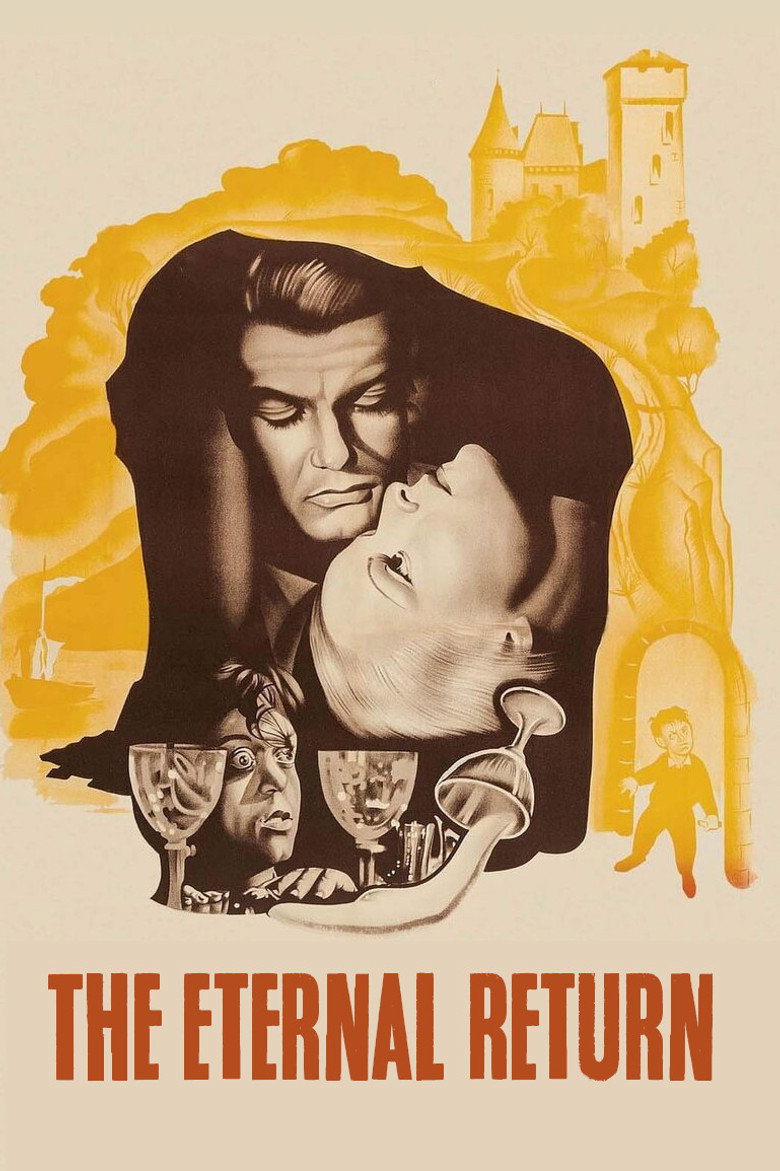
1943
Director
Jean Delannoy
Runtime
112 minutes
Average Rating
No ratings yetSynopsis
A retelling of Tristan and Isolde set in 1940s France.
Overall Score
Fair
Category Breakdown
LGBTQ+ Representation
The film explores intense, unconventional romantic passion that challenges the social decorum of the 1940s. However, it lacks explicit evidence of queer identities or non-cisnormative subtext.
Gender Representation
The narrative centers on the psychological agency of the female lead. By making female desire a primary driver of the plot, it avoids standard damsel tropes of the era.
Racial & Ethnic Diversity
The production reflects the homogeneous demographic norms of mid-century France. There is no evidence of non-white representation or race-bent casting within this mythic retelling.
Religious & Cultural Diversity
The story prioritizes individual, transcendent passion over traditional religious or social institutions. It offers a secular, poetic interpretation of human experience through the Tristan and Isolde myth.
Disability Representation
There is no documented evidence regarding the portrayal of physical or neurodivergent disabilities in this film.
Strengths
Areas for Improvement
AI Analysis
The Eternal Return is a poetic reimagining of the Tristan and Isolde myth that prioritizes psychological depth and fatalistic romanticism. It succeeds in subverting traditional gender roles by granting the female protagonist significant emotional agency. However, the film remains a product of its time and specific cultural context. It lacks racial and ethnic diversity, adhering to the homogeneous casting norms of 1940s France. Ultimately, the film's value lies in its narrative architecture and its ability to challenge social mores through myth, rather than through demographic breadth.
1979

1947
1950

1946

1964

1937

1938

1955

1951

1947

1947
1945
No reviews yet. Be the first to share your thoughts on this movie!
Use the rating form above to leave a star rating and optional review.