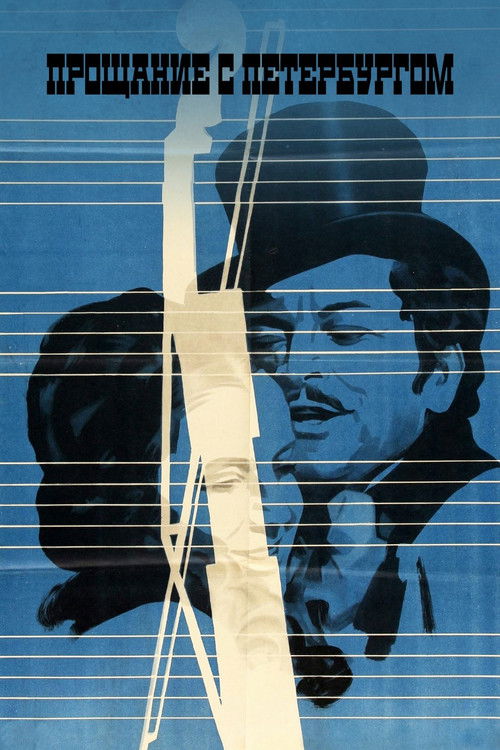
Proshchaniye s Peterburgom
1971
No user ratings available yet
Representation score: 5.2 out of 10
Representation Score
Minimal
1951
16Director
Géza von Bolváry
Runtime
88 minutes
Average Rating
No ratings yetNew Showbiz Analysis
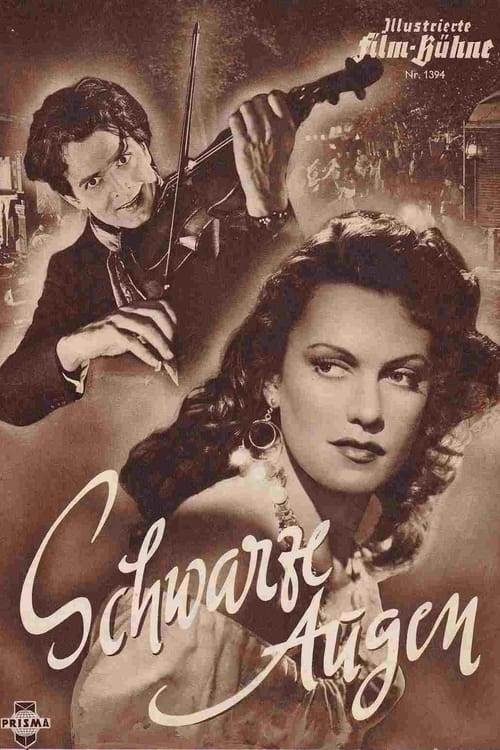
Dark Eyes is a mid-century musical romance that adheres closely to the social and narrative conventions of its time. The story emphasizes melodramatic romantic conflicts and musical excellence while avoiding any disruption of established social hierarchies. The film upholds a traditional status quo, centered on a love triangle involving a violinist and two men. It lacks the diverse casting and multi-layered depth needed to challenge the period's cinematic norms. Overall, the work serves as a traditional romantic drama that favors established social values and Eurocentric perspectives.
Category Breakdown
The film revolves around a traditional love triangle without any depiction of same-sex relationships or non-traditional gender identities.
Helene drives the plot, but her role is defined by her relationships with men, following typical gender roles and romantic clichés.
The cast appears uniform, reflecting the Eurocentric standards of 1950s European cinema. No diverse ethnic perspectives are included.
The story focuses on individual romance and musical talent, adhering to traditional social values without challenging Western institutions or religious norms.
The narrative and character descriptions do not include individuals with physical or cognitive disabilities.
Present on Screen
Limited or Absent
Official Synopsis
Violin virtuoso Fedor Varany meets on the train from Nice to Vienna Helene Samboni, the lover of the Chamber of Commerce President Alexander Grabner and still-wife of the artist Samboni. Fedor falls in love with her without betraying his identity.
1971
1938
1940
1954
1950
1951
1946
1933
No reviews yet. Be the first to share your thoughts on this movie!
Use the rating form above to leave a star rating and optional review.