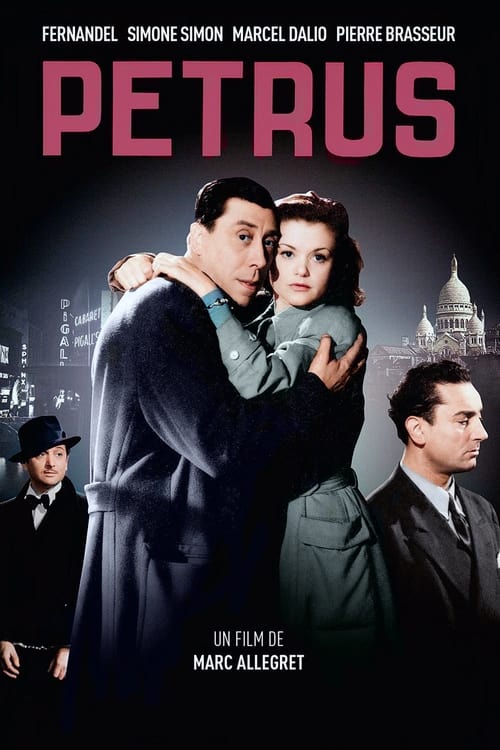
Pétrus
1946
No user ratings available yet
Representation score: 3.1 out of 10
Representation Score
Limited
1947
Director
Edmond T. Gréville
Runtime
86 minutes
Average Rating
No ratings yetNew Showbiz Analysis
Passionnelle is a character-driven film that highlights individual choices and moral ambiguity. It challenges traditional social structures by using a violent act to question the sanctity of marriage and societal roles. However, the film lacks modern markers of diversity. It adheres to mid-century European demographic norms and does not explore racial or LGBTQ+ identities.
Category Breakdown
The story focuses on a tragic romance between a woman and her lover. However, there is no clear indication of LGBTQ identities.
Thérèse is portrayed as a strong female character who takes control of her life. Her actions challenge the stereotype of the passive bride and emphasize her emotional independence.
The film follows typical mid-century European demographics. There is no indication of a multi-ethnic cast or diverse racial backgrounds.
The story questions traditional social order by depicting a wedding as a site of violence. It emphasizes personal morality and individual impulses over religious or legal rules.
There is no mention of characters with visible or invisible disabilities in the provided information.
Present on Screen
Limited or Absent
Official Synopsis
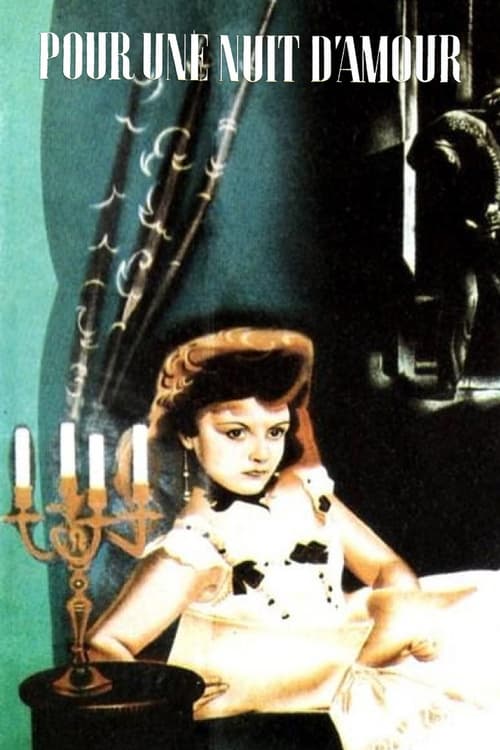
Thérèse kills her lover during the very night of her wedding to the count of Vétheul. To gain a night with her, a modest local worker agrees to bury the body.
1946
1938

1968
1946
1949
1943

1955
1981
No reviews yet. Be the first to share your thoughts on this movie!
Use the rating form above to leave a star rating and optional review.