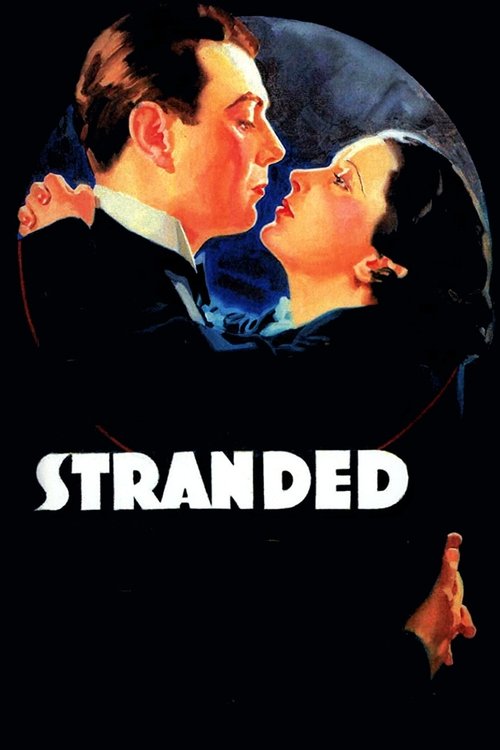
Stranded
1935
No user ratings available yet
Representation score: 1.9 out of 10
Representation Score
Minimal
1937
ApprovedDirector
Frank Borzage
Runtime
97 minutes
Average Rating
No ratings yetNew Showbiz Analysis
Frank Borzage’s film adheres to 1930s studio standards, emphasizing emotional transcendence over social critique. While it offers some ability to act to the female lead, the work lacks multi-layered complexity. The narrative contrasts the emotional truth of the working class with the restrictive control of the elite, but it remains limited by its era. The film lacks meaningful racial diversity and does not represent LGBTQ+ or disabled communities.
Category Breakdown
The film follows traditional 1930s romantic archetypes, focusing solely on heterosexual relationships without any representation of LGBTQ+ identities.
The female protagonist shows strength by rejecting her ex-husband's control, but the resolution emphasizes emotional devotion rather than challenging patriarchal structures.
The cast is primarily white and European-coded, with the narrative focusing on socioeconomic differences rather than racial or ethnic diversity.
The story contrasts wealthy possessiveness with bohemian authenticity, functioning as a sentimental melodrama without a direct critique of systemic issues.
No visible or invisible disabilities are portrayed, and characters with disabilities are not used as plot devices.
Present on Screen
Limited or Absent
Official Synopsis
An American woman seeking divorce from her wealthy, controlling husband falls for a romantic Parisian who saves her from his entrapment.
1935

1938
1934

1952
1933

1932
1937

1935
No reviews yet. Be the first to share your thoughts on this movie!
Use the rating form above to leave a star rating and optional review.