Random Harvest
1942
No user ratings available yet
Diversity score: 1.9 out of 10
1945
ApprovedDirector
Vincente Minnelli
Runtime
90 minutes
Average Rating
No ratings yetSynopsis
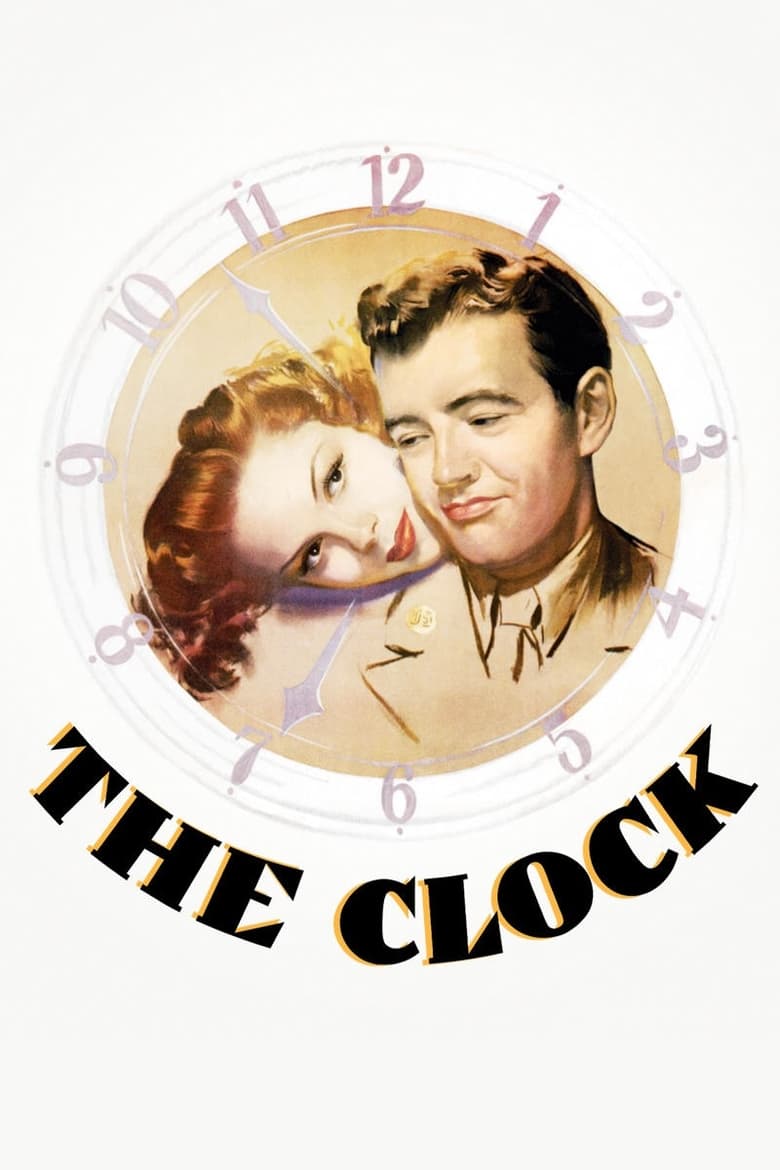
A G.I. en route to Europe falls in love during a whirlwind two-day leave in New York City.
Overall Score
Limited
Category Breakdown
LGBTQ+ Representation
The film contains no depictions of non-cisnormative identities or same-sex intimacy. The romantic arc remains strictly heteronormative, adhering to the cinematic standards of 1945.
Gender Representation
Gender hierarchies are reinforced through traditional romantic dynamics. While the female lead is central, her agency is largely defined by her relationship with the male protagonist.
Racial & Ethnic Diversity
The production features a predominantly white cast, reflecting the homogeneous casting norms of the era. There is a notable lack of racial blending or non-Anglo-Saxon representation.
Religious & Cultural Diversity
The story operates within a traditional Western moral framework. It presents a sentimental view of wartime life that reinforces existing social stability and romantic ideals.
Disability Representation
The film does not focus on physical or sensory disabilities. There is no evidence of neurodivergent agency or the intentional subversion of disability tropes.
Strengths
Areas for Improvement
AI Analysis
The Clock functions as a conventional mid-century romantic drama that prioritizes individual emotional experience over social critique. Its narrative architecture relies on traditional tropes, centering a heteronormative connection as the primary driver of the plot. Casting and storytelling reflect the era's social constraints, offering little to no intersectional representation. The film reinforces existing hierarchies rather than attempting to deconstruct them. Ultimately, the work serves as a localized, sentimental portrait of civilian and military life, maintaining the status quo of its historical context.
1942
1935
1944
1932
1950
1940
1946
1930
1943
1938
1947

1941
No reviews yet. Be the first to share your thoughts on this movie!
Use the rating form above to leave a star rating and optional review.