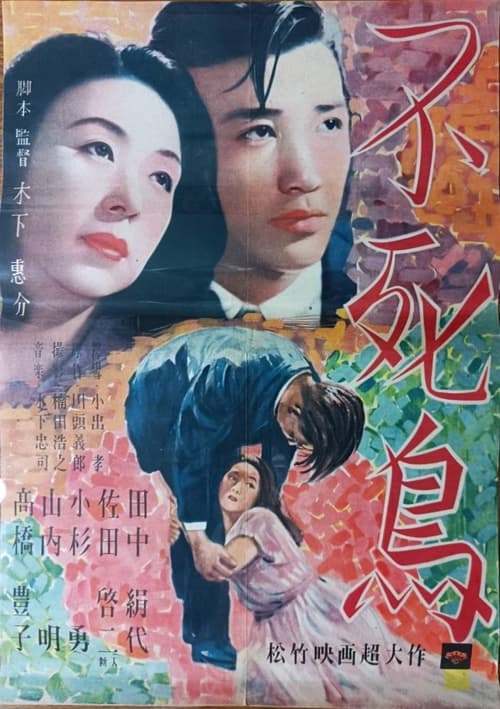
Phoenix
1947
No user ratings available yet
Representation score: 3.5 out of 10

Representation Score
Fair
1964
Director
Koreyoshi Kurahara
Runtime
120 minutes
Average Rating
No ratings yetNew Showbiz Analysis
Koreyoshi Kurahara’s direction emphasizes nuanced character development rather than straightforward moral lessons. By focusing on Kiyono’s personal journey during wartime, the narrative shifts attention from national duty to individual emotions. Despite the homogeneous cast typical of 1960s Japanese cinema, the film stands as a significant cultural document. It examines the tension between personal desires and societal constraints through a humanistic lens. Ultimately, the film’s strength lies in its potential to highlight female experiences and individual truths, even within a traditional romantic structure.
Category Breakdown
The film centers on a heterosexual relationship between Kiyono and Takuji. There is no indication of LGBTQ+ identities or themes.
Kiyono is portrayed as the emotional core of the story. Her resilience and dedication may challenge traditional gender roles.
The cast is predominantly Japanese, reflecting the cultural context of the time. It offers a non-Western perspective on romance.
The narrative emphasizes personal emotional truth over state-imposed duties. It highlights the impact of wartime conflicts on families.
There is no information about the depiction of physical or cognitive disabilities in the film.
Present on Screen
Limited or Absent
Official Synopsis
The tragic tale of Kiyono, a young woman from the mountain who fell in love with Takuji, a fisherman's son, and her devotion to him during a time of war.
1947

1939
1966
1955
1947
1953

1962

1955
No reviews yet. Be the first to share your thoughts on this movie!
Use the rating form above to leave a star rating and optional review.