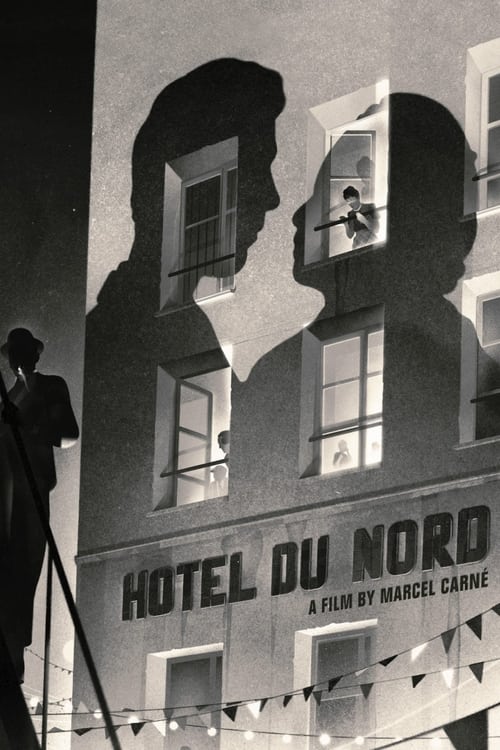
Hôtel du Nord
1938
No user ratings available yet
Representation score: 2.6 out of 10
Representation Score
Limited
1946
Director
Marc Allégret
Runtime
95 minutes
Average Rating
No ratings yetNew Showbiz Analysis
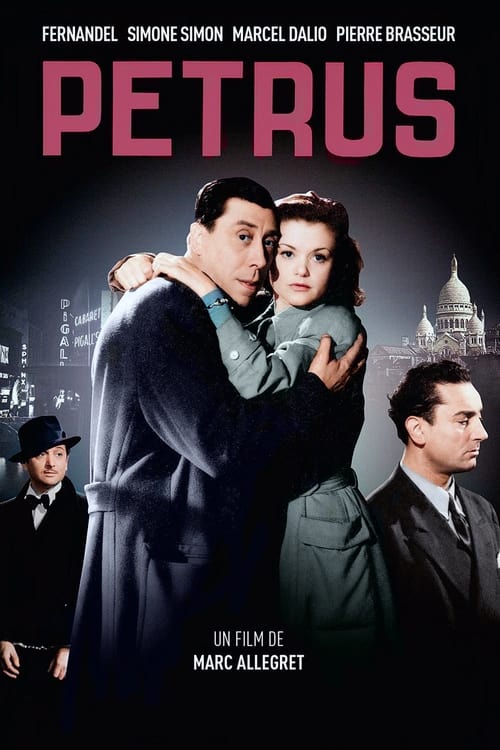
Pétrus is a mid-century romantic drama that relies heavily on conventional narrative structures. While it centers a woman in the plot, her journey is defined by her relationships with men and the consequences of romantic betrayal. The film lacks complexity in representing diverse identities, adhering to the demographic homogeneity typical of 1940s French cinema. It focuses on individual tragedy rather than broader social issues.
Category Breakdown
The film features a romantic triangle involving a photographer, a dancer, and a counterfeiter. There are no indications of LGBTQ+ identities or non-straight relationships.
Migo serves as the main character and plot driver. However, her role is largely defined by her romantic relationships and traditional gender stereotypes.
Set in Montmartre, the film likely reflects the predominantly white population typical of 1940s European cinema. There is no indication of racially diverse casting.
The story explores themes of crime and fatalistic romance through melodrama. It focuses on individual moral failings rather than a critique of societal or religious institutions.
The narrative does not include any characters with visible or invisible disabilities.
Present on Screen
Limited or Absent
Official Synopsis
Petrus, a Montmartre photographer, is accidentally wounded by Migo, a dancer at the Frou Frou night club, when she is trying to shoot her faithless lover Rodrigue, a counterfeiter. Though Petrus tries to reconcile the lovers, Migo lands up with him after Rodrigue is finally killed by another jealous dancer.
1938
1945

1968
1945
1947

1955

1926

1958
No reviews yet. Be the first to share your thoughts on this movie!
Use the rating form above to leave a star rating and optional review.