Lady with the Dog
1960
No user ratings available yet
Representation score: 3.2 out of 10
Representation Score
Limited
1950
Director
René Clément
Runtime
99 minutes
Average Rating
No ratings yetNew Showbiz Analysis
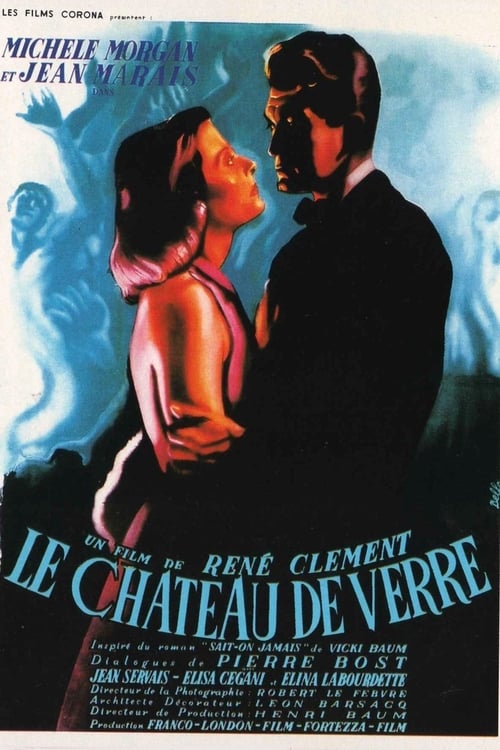
The Glass Castle operates within a conventional mid-century dramatic framework. It centers on a romantic conflict between a judge's wife and her lover, prioritizing personal moral choices over broader social critique. The narrative lacks multi-layered complexity, focusing instead on the tension between individual desire and marital obligations. This structure is typical of post-war European cinema, emphasizing domestic morality. Without evidence of diverse casting or non-traditional identities, the film adheres to the standard social and cultural norms of its time.
Category Breakdown
The film follows a traditional romantic storyline involving a wife, her husband, and a lover. It does not include any non-straight or non-cisgender identities or critiques of the assumption that everyone is straight or cisgender.
Evelyne drives the emotional conflict, having the ability to act to choose between two men. However, the drama remains within traditional themes of marital infidelity and domestic stability.
Set in Italy, the narrative does not indicate a diverse cast or non-white characters driving the plot. The production follows standard era casting norms.
The story explores individual morality against social expectations, focusing on the consequences of deviating from traditional social structures rather than critiquing Western institutions.
There is no information available regarding the inclusion of characters with physical or neurodivergent disabilities.
Present on Screen
Limited or Absent
Official Synopsis
Evelyne, the young wife of Judge Bertal, falls in love with Remy, who lives in Paris, on holiday in Italy. After following him in the lovers city, she realises Remy is whom she really loves, and decides to return home to inform her husband – but her plane crashes.
1960

1958
1957

1972
1958

1952

1955
1945
No reviews yet. Be the first to share your thoughts on this movie!
Use the rating form above to leave a star rating and optional review.