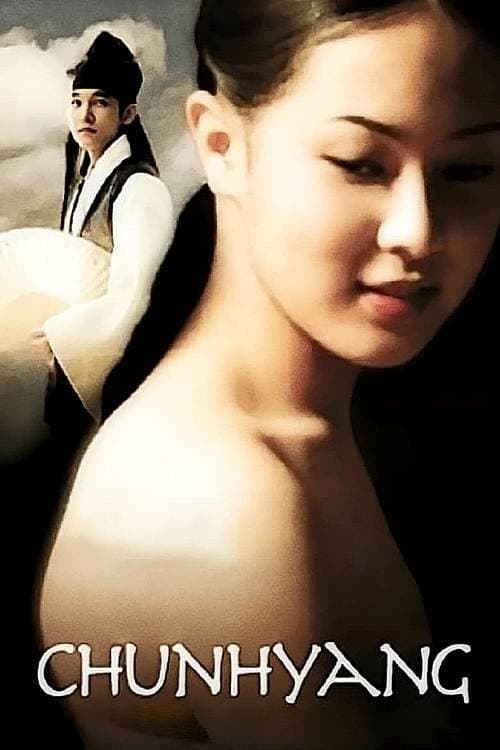
Chunhyang
2000
No user ratings available yet
Representation score: 4.1 out of 10
Representation Score
Limited
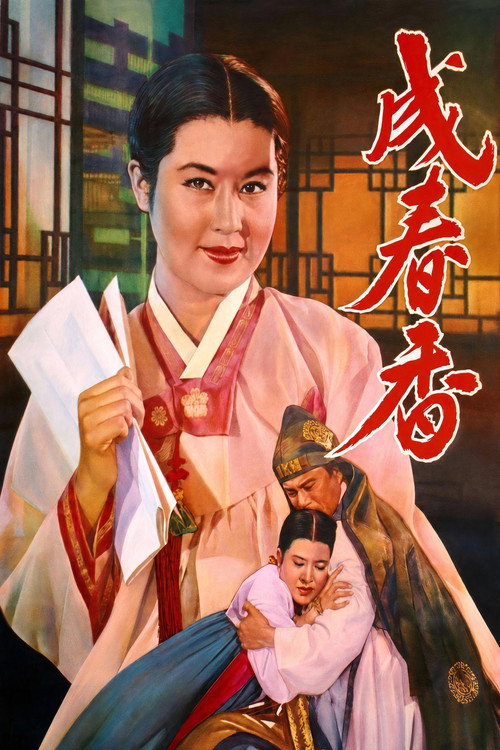
1961
Director
Shin Sang-ok
Runtime
144 minutes
Average Rating
No ratings yetNew Showbiz Analysis
Shin Sang-ok's adaptation of a classic folk tale provides a nuanced look at class dynamics and women's ability to drive the story within a rigid patriarchal structure. It succeeds in centering Korean historical identity through its authentic cultural aesthetics. However, the film's strict adherence to traditional Confucian ethics and romantic clichés limits its progressive impact. The narrative relies on restoring imperial order rather than challenging the underlying institutional structures. Ultimately, while the protagonist's resistance to the Governor offers a glimpse of individual autonomy, the film remains bound by the historical gender hierarchies and moral codes of the Joseon Dynasty.
Category Breakdown
The film does not depict any LGBTQ+ identities or relationships outside of traditional heterosexual bonds. The story focuses solely on the romantic relationship between the main characters.
Chun-hyang takes control by standing up to male coercion and prioritizing her own autonomy. However, the film emphasizes traditional feminine virtues such as loyalty and chastity.
The film features a cast that is ethnically uniform and deeply connected to Korean heritage. It serves as a cultural touchstone that highlights Korean identity and history.
The story critiques systemic corruption but seeks restoration through imperial authority rather than opposing institutions. The moral framework is based on traditional Confucian ethics.
There are no characters prominently defined by visible or invisible disabilities. The film does not use disability as a narrative device or plot point.
Present on Screen
Limited or Absent
Official Synopsis
Chun-hyang, the only daughter of an old gisaeng named Wolmae, falls in love with Lee Mong-nyong and promises to marry him. But Lee leaves for Seoul with his father who's an aristocrat, and the new governor, Byeon Hakdo, covets Chun-hyang because she is the most beautiful girl in town. When Chun-hyang rejects his order to serve him at night, Governor Byeon sends her to jail. In the mean time, Lee passes the state exam and becomes a special undercover agent of the king. He comes back to where Chun-hyang lives to save her and punishes Governor Byeon.
2000

1954
1961

2010

2008
1955
1994
2003
No reviews yet. Be the first to share your thoughts on this movie!
Use the rating form above to leave a star rating and optional review.