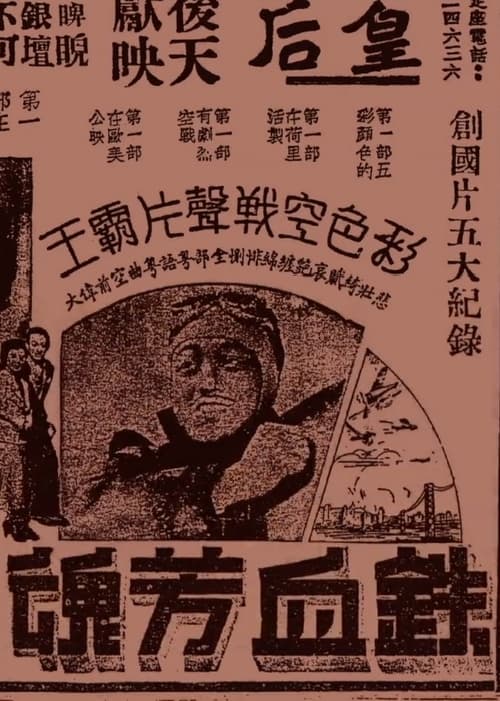
Heartaches
1936
No user ratings available yet
Diversity score: 6.2 out of 10

1965
Director
Liu Qiong
Runtime
88 minutes
Average Rating
No ratings yetSynopsis
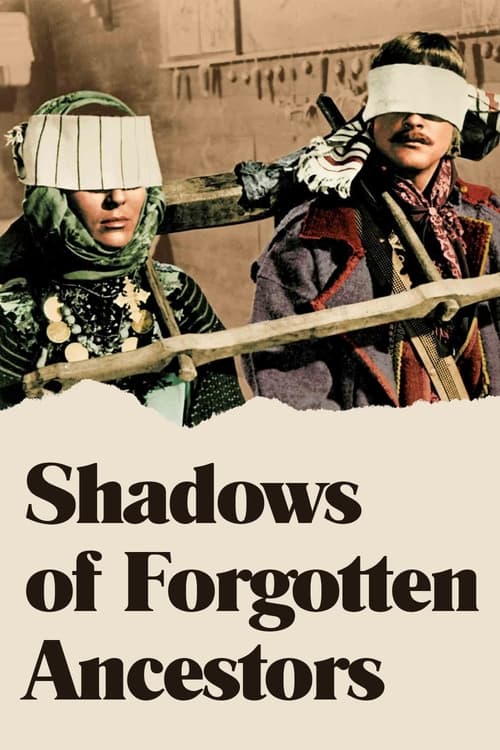
In a small village in China's Yunnan province, the romance between Ashima and Ahei is threatened by the interference of the heir to a powerful clan.
Overall Score
Fair
Category Breakdown
LGBTQ+ Representation
The story focuses on a traditional romantic bond between Ashima and Ahei. There are no depictions of non-heteronormative identities or same-sex intimacy.
Gender Representation
Ashima serves as the central emotional pillar, driving the plot through her resistance to patriarchal dominance. While the film critiques social hierarchies, it remains rooted in traditional romantic drama tropes.
Racial & Ethnic Diversity
The film centers on the Yi ethnic minority, prioritizing their specific traditions and aesthetics. It avoids a Western-centric lens to highlight the lived experience of a non-Han group.
Religious & Cultural Diversity
The narrative explores systemic oppression by critiquing powerful clan structures and inherited wealth. It values regional cultural autonomy and local folk traditions over centralized morality.
Disability Representation
There are no identifiable characters portrayed with physical or neurodivergent disabilities in this narrative.
Strengths
Areas for Improvement
AI Analysis
Ashima is a culturally significant work that excels in ethnic specificity. By centering the Yi people's customs and social structures, the film provides a rare and authentic look at a non-Han minority group's identity. The film also offers a nuanced look at gender through Ashima's agency. Her struggle against the clan heir's patriarchal authority transforms a standard romance into a critique of systemic social hierarchies. However, the film is limited by its genre. The reliance on conventional romantic structures and the absence of diverse identities beyond the central couple keep the overall score moderate.
1936

2015
1965
1986

1993
1981

1975

1999

1997
1973
1990
1969
No reviews yet. Be the first to share your thoughts on this movie!
Use the rating form above to leave a star rating and optional review.