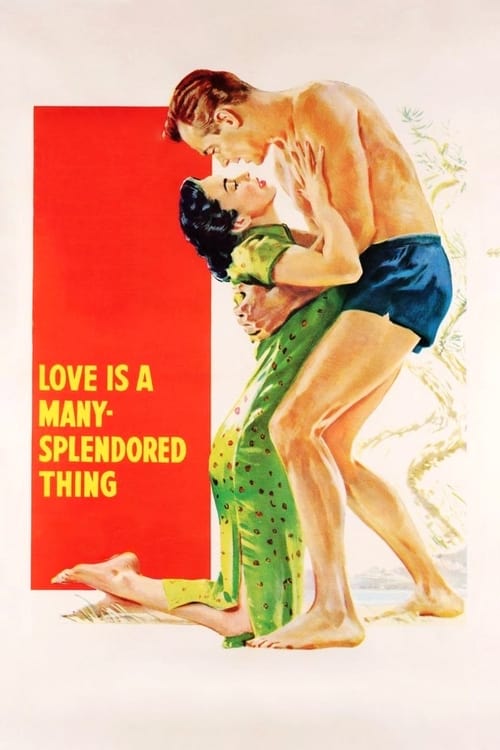
Love Is a Many-Splendored Thing
1955
No user ratings available yet
Representation score: 2.4 out of 10
Representation Score
Minimal
1960
NRDirector
Richard Quine
Runtime
126 minutes
Average Rating
No ratings yetNew Showbiz Analysis
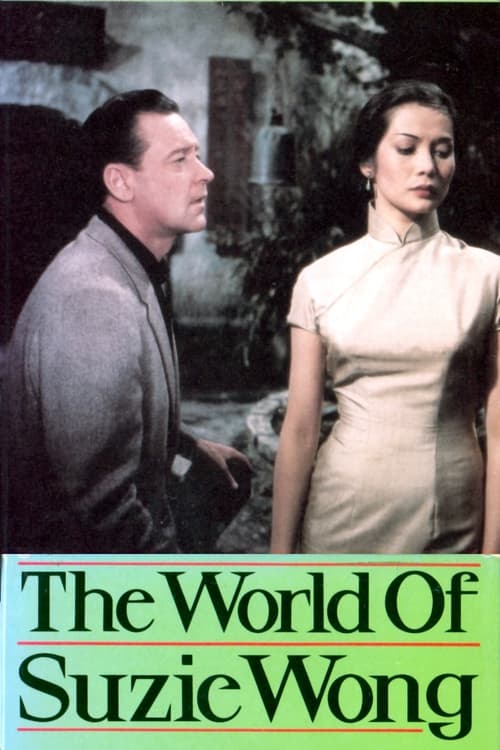
The film occupies a complex historical position. By featuring Nancy Kwan, a Chinese-American actress, in a major Hollywood production, it makes a notable step forward from the era's tendency to whitewash. This move enhances racial visibility, which was uncommon for 1960. However, these advancements are undermined by the film's reliance on mid-century clichés. The narrative structure reinforces traditional gender hierarchies and employs an exoticized, Western-centric view of the East. It prioritizes romanticized melodrama over a nuanced exploration of Asian identity or systemic social structures. Ultimately, the work serves more as a romanticized window into a specific era rather than a tool for cultural deconstruction. It upholds the status quo of its time through its storytelling lens.
Category Breakdown
The film adheres to a structure that assumes everyone is straight or cisgender. It centers on the romantic relationship between the male expatriate and the female protagonist, without any hints of LGBTQ+ themes.
Suzie Wong demonstrates strength in providing for her child, but the story emphasizes traditional gender roles where the male lead holds the primary decision-making power.
Casting Nancy Kwan marked a significant shift from the era's practice of whitewashing. However, the narrative employs an Orientalist perspective, presenting Hong Kong as a romanticized backdrop for Western viewpoints.
The film highlights the socioeconomic struggles faced by the Hong Kong working class. It steers clear of systemic critiques, focusing instead on the individual romantic conflict and Western-centric views.
The main storyline does not include any obvious representations of physical or neurodivergent disabilities.
Present on Screen
Limited or Absent
Official Synopsis
A Hong Kong prostitute tries modeling and falls for the artist who's painting her.
1955

1961
1969
1945
1983
1932

1989
1962
No reviews yet. Be the first to share your thoughts on this movie!
Use the rating form above to leave a star rating and optional review.