
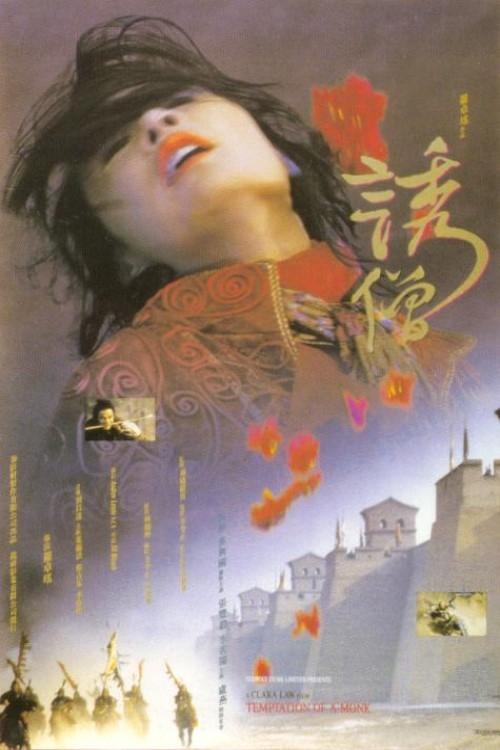
The Golden Lotus: Love and Desire
1991
No user ratings available yet
Representation score: 7.6 out of 10
Representation Score
Fair
1993
NRDirector
Clara Law
Runtime
118 minutes
Average Rating
No ratings yetNew Showbiz Analysis
Clara Law’s drama excels as a sophisticated exploration of internal conflict, focusing on psychological truth rather than moral instruction. It challenges the 'pure' ascetic archetype by presenting a flawed, complex humanism. However, the narrative remains confined to traditional binaries and lacks representation of LGBTQ+ identities and characters with disabilities.
Category Breakdown
The film does not include any LGBTQ+ characters or explore non-cisgender identities. It focuses on the tension between asceticism and traditional heterosexual desires.
The narrative challenges the passive woman stereotype by making female characters the main drivers of the male protagonist's psychological growth. It disrupts traditional gender hierarchies by highlighting the male protagonist's vulnerability.
The film features a predominantly Chinese cast and explores East Asian historical settings authentically, avoiding the imposition of Western cinematic norms.
The film presents a nuanced view of traditional religious institutions by framing human desire as a natural part of the human condition, critiquing rigid religious dogma.
There are no prominent depictions of physical or neurodivergent disabilities that significantly impact the narrative or serve as central character traits.
Present on Screen
Limited or Absent
Official Synopsis
Near the beginning of the Tang dynasty, in 7th century China, General Shi Yan-sheng is tricked into leaving the crown prince unguarded. The crown prince is murdered by one of his brothers who then becomes emperor. Shi retreats to a monastery, perhaps to hide, perhaps to plan a coup. When his loyal troops as well as the princess he desires are slain, he seeks refuge in a remote, abandoned monastery where an aged abbot schools him with practical, earthy teachings. The emperor's forces pursue Shi: first a woman, then a general seek to overpower him with lust and might. Over the course of the film, the reds of battle give way to blues of meditation.
1991

1956

1988
1984

1965

1988
2000
2019
No reviews yet. Be the first to share your thoughts on this movie!
Use the rating form above to leave a star rating and optional review.