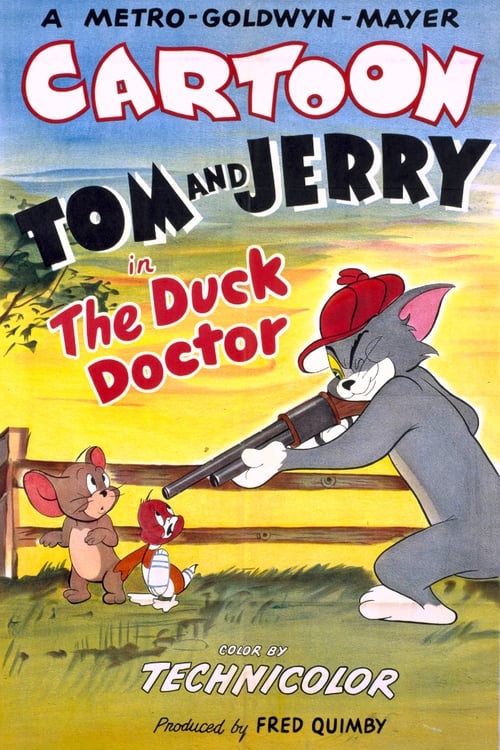
The Duck Doctor
1952
No user ratings available yet
Representation score: 2.5 out of 10
Representation Score
Minimal
1958
NRDirector
William Hanna, Joseph Barbera
Runtime
6 minutes
Average Rating
No ratings yetNew Showbiz Analysis
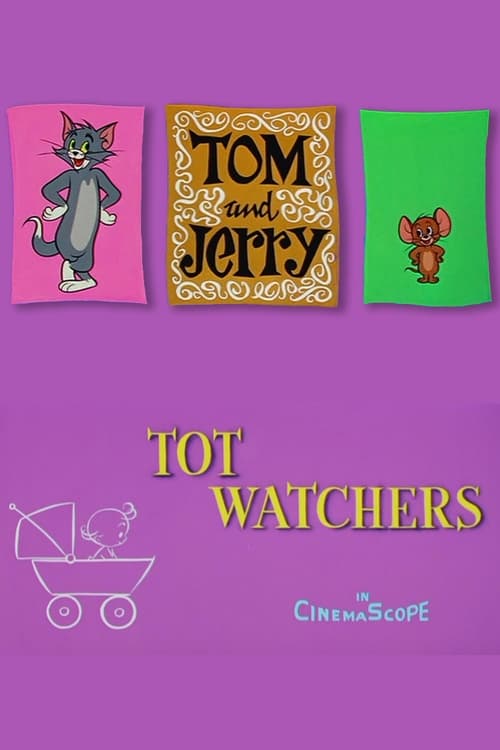
Tot Watchers is a product of its era, functioning as a standard comedic short that adheres to the social and narrative structures of the late 1950s. The humor relies on kinetic, non-verbal slapstick rather than sociopolitical commentary. The human elements of the plot reinforce conventional domestic roles, such as the lady of the house and the babysitter. This reflects the mid-century focus on traditional caretaking and Western social values. Ultimately, the film lacks the intentionality required to disrupt or challenge established cultural hierarchies. It remains a period-typical piece of animation that prioritizes physical comedy over identity-based narratives.
Category Breakdown
The film does not include any LGBTQ+ characters or non-straight relationships. The home setting fits the traditional structures common in 1958 animation.
Human roles center on a lady of the house and a babysitter, reflecting mid-century domestic expectations. The non-human protagonists exist outside traditional gender roles.
The production follows the homogeneous casting standards typical of late 1950s American animation. There is no indication of a diverse cast or ethnic references.
The story operates within a traditional Western domestic framework focused on maintaining social stability. It uses the nuclear family as a standard comedic setting.
There is no evidence regarding the inclusion of characters with physical, sensory, or neurodivergent disabilities.
Present on Screen
Limited or Absent
Official Synopsis
The lady of the house has gone out for a few hours, leaving her baby in the care of a teen babysitter. Tom and Jerry must call a truce to their constant chases as the baby, unsupervised, continually gets loose.
1952
1958
1954
1946
1956
1941
1949
1949
No reviews yet. Be the first to share your thoughts on this movie!
Use the rating form above to leave a star rating and optional review.