Barbecue Brawl
1956
No user ratings available yet
Representation score: 0.4 out of 10
Representation Score
Limited
1956
NRDirector
Joseph Barbera, William Hanna
Runtime
7 minutes
Average Rating
No ratings yetNew Showbiz Analysis
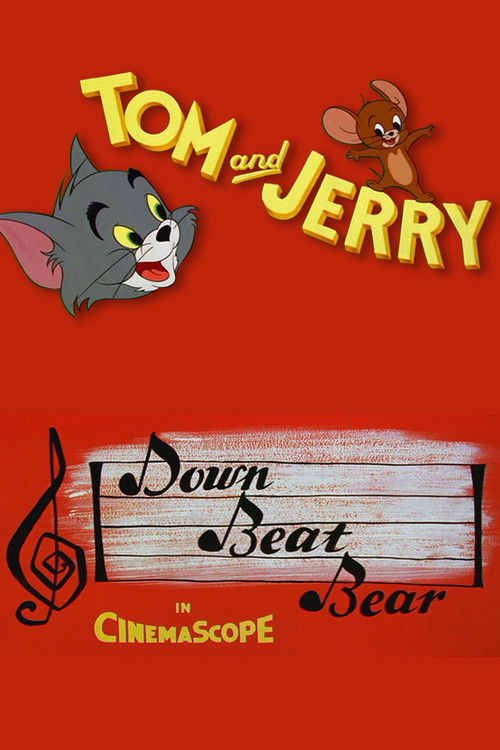
Down Beat Bear is a product of mid-century animation standards, emphasizing kinetic humor and physical comedy over social complexity. The narrative is driven by the chaotic interactions between Tom, Jerry, and a dancing bear, leaving little room for character development. The film operates within a narrow demographic scope. By focusing on a male-coded animal trio in a domestic setting, it avoids exploring diverse identities, cultural critiques, or social hierarchies. Ultimately, the work functions as pure slapstick. It adheres to the era's industry practices, which favored broad, repetitive character dynamics rather than the representation of underrepresented groups or systemic social commentary.
Category Breakdown
The film does not include any LGBTQ+ characters or non-cisgender identities. The story revolves around animal antics and musical interactions.
The story focuses on a trio of male-coded characters—Tom, Jerry, and the Bear. Female characters are absent, so there are no gendered power dynamics.
The setting depicts a traditional, homogeneous mid-century home environment. The anthropomorphic animals do not represent racial or ethnic diversity.
The film follows typical 1950s comedic structures centered on music and physical humor. It does not critique Western institutions or organized religion.
The film does not depict any visible or invisible disabilities. The slapstick comedy relies on exaggerated movements rather than meaningful representations of neurodivergence or physical disabilities.
Present on Screen
Limited or Absent
Official Synopsis
A dancing bear escapes from the zoo and finds his way to Tom and Jerry's house. He dances with Tom, making it impossible for Tom to call the authorities; Jerry takes every opportunity to play music and keep Tom and the bear dancing
1956
1943
1950
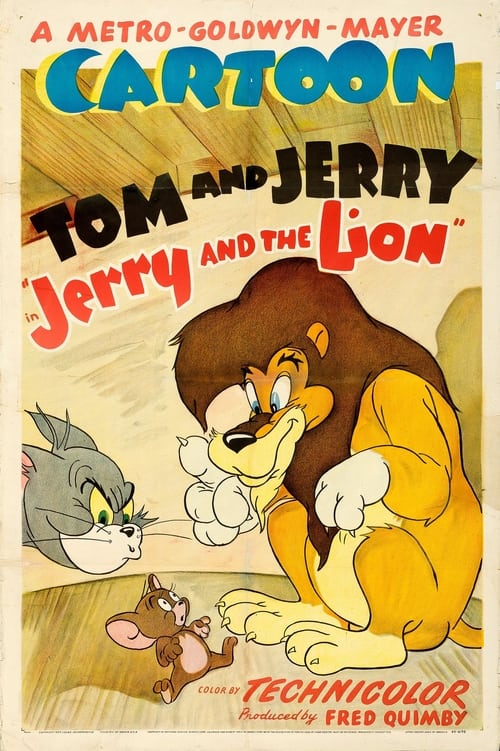
1950
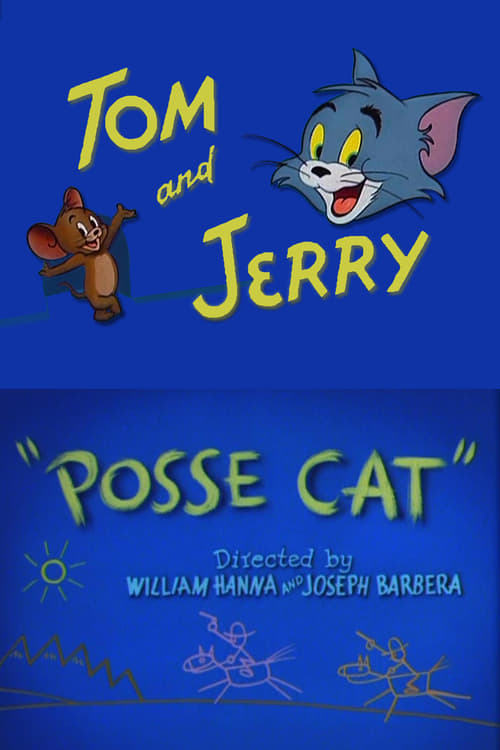
1954
1964
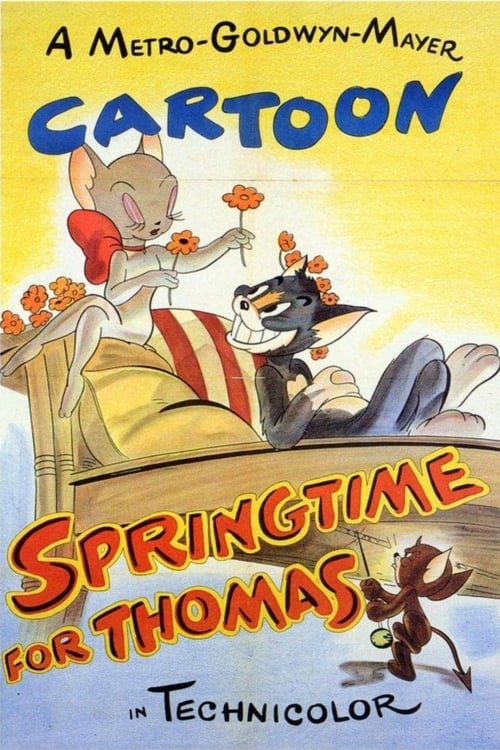
1946
1946
No reviews yet. Be the first to share your thoughts on this movie!
Use the rating form above to leave a star rating and optional review.