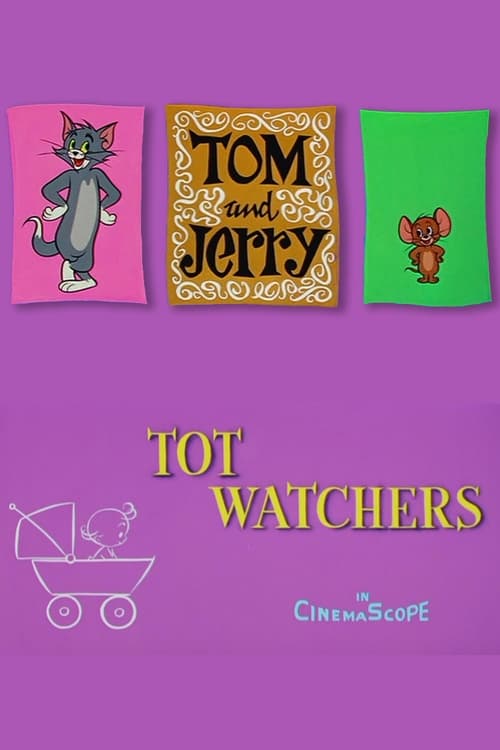
Tot Watchers
1958
No user ratings available yet
Diversity score: 2.9 out of 10
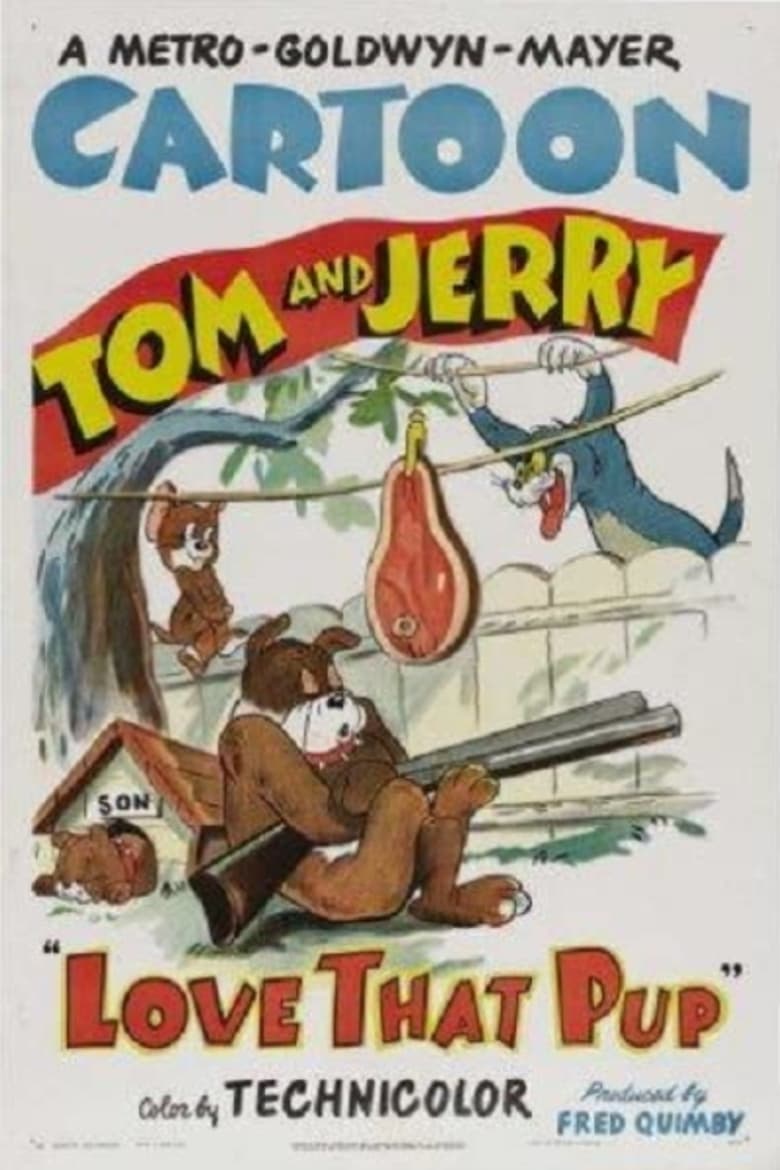
1949
NRDirector
Joseph Barbera, William Hanna
Runtime
8 minutes
Average Rating
No ratings yetSynopsis
When a bulldog threatens Tom to keep away from his puppy, Jerry realizes that sticking close to the boy is the best way to keep away his feline tormentor. But Tom is not about to let the mouse evade him so easily.
Overall Score
Limited
Category Breakdown
LGBTQ+ Representation
The film lacks any evidence of LGBTQ+ characters or non-heteronormative identities. The story focuses on the primal, instinctual dynamics between a cat, a mouse, and a dog.
Gender Representation
The narrative centers on animal characters, bypassing human gender hierarchies. However, the lack of female agency results in a traditional, male-centric comedic structure.
Racial & Ethnic Diversity
As an anthropomorphic short, the film lacks racial or ethnic characterization. The absence of a diverse cast reflects the demographic homogeneity typical of mid-century animation.
Religious & Cultural Diversity
The film operates within a framework of traditional slapstick morality. It functions as standard commercial entertainment without challenging Western institutions or promoting specific ideological narratives.
Disability Representation
There is no evidence of characters with visible or invisible disabilities. The comedy relies on exaggerated cartoon physics rather than engaging with lived experiences of impairment.
Strengths
Areas for Improvement
AI Analysis
Love That Pup is a quintessential example of late 1940s slapstick animation. The narrative is driven entirely by the kinetic, character-based conflict between Tom, Jerry, and a bulldog, prioritizing physical comedy over social depth. Because the cast is composed of anthropomorphic animals, the film avoids human demographic complexities. It adheres to the conventional comedic tropes of its era, focusing on instinctual animal archetypes rather than intersectional identities. Ultimately, the short serves as a traditional exercise in high-energy pacing. It does not attempt to disrupt social hierarchies or engage with diverse human experiences, remaining a product of its specific historical context.
1958
1942
1955
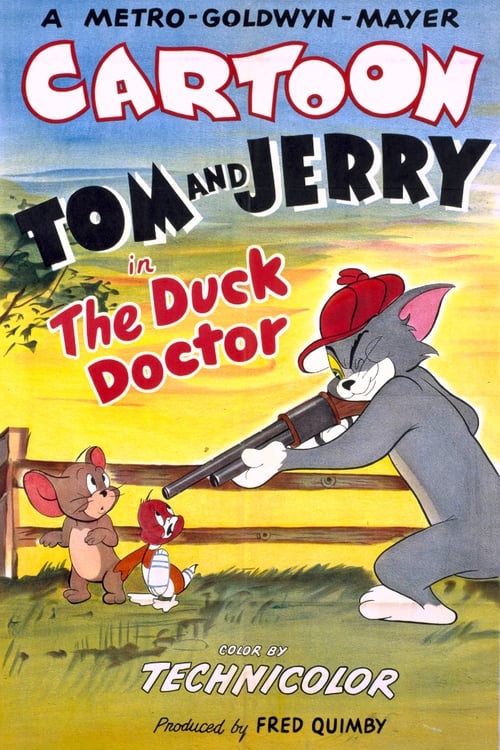
1952
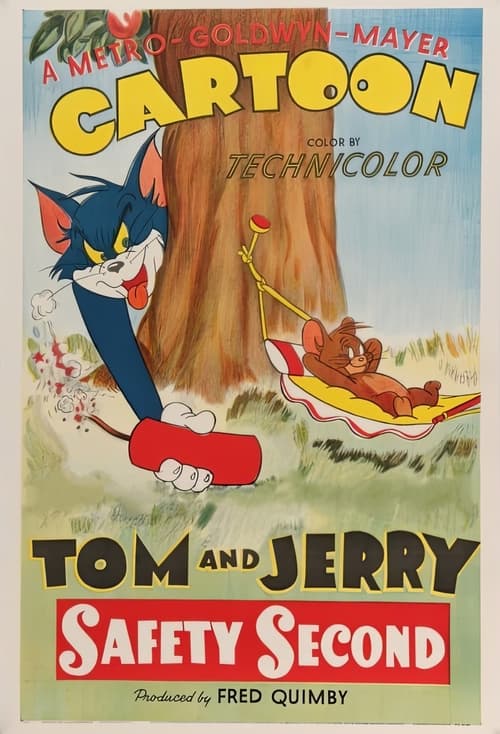
1950
1947
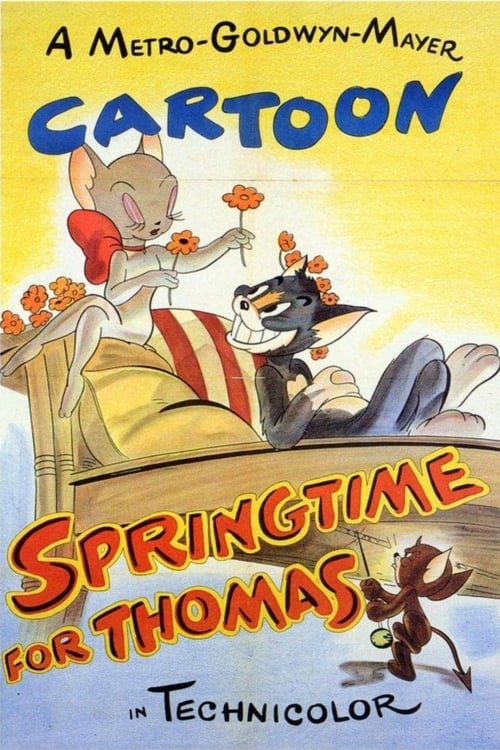
1946
1948
1956
1949
1949
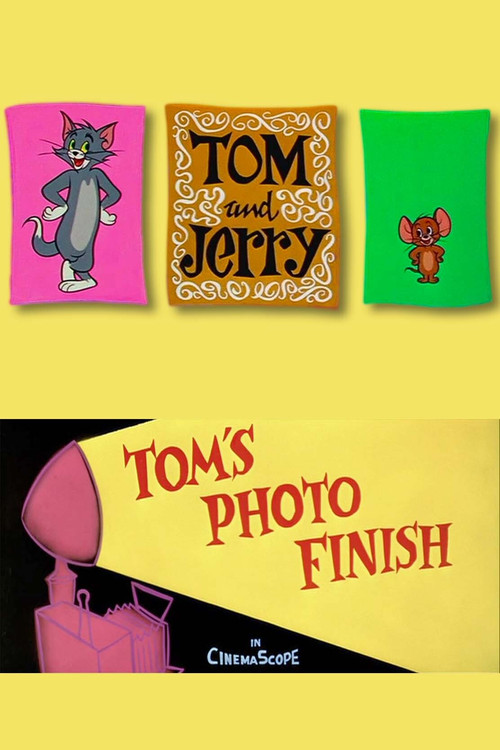
1957
No reviews yet. Be the first to share your thoughts on this movie!
Use the rating form above to leave a star rating and optional review.