Puss n' Toots
1942
No user ratings available yet
Representation score: 1.3 out of 10
Representation Score
Minimal
1946
NRDirector
Joseph Barbera, William Hanna
Runtime
8 minutes
Average Rating
No ratings yetNew Showbiz Analysis
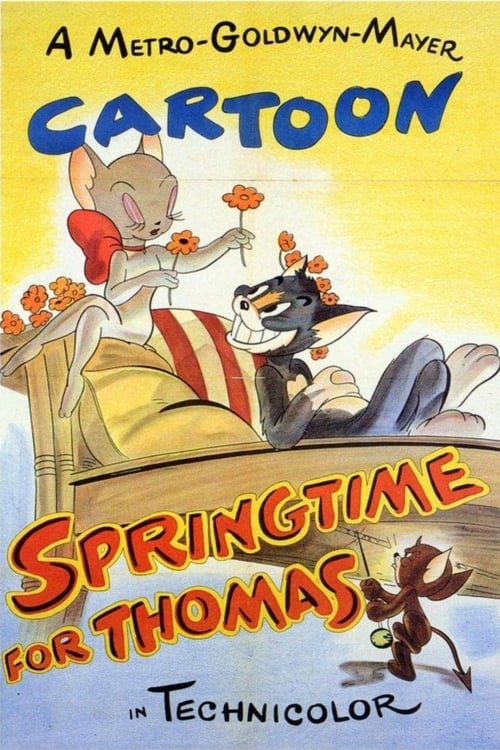
Springtime for Thomas is a rhythmic, slapstick musical comedy that prioritizes physical humor over social or systemic exploration. The narrative is driven by a singular romantic pursuit, keeping the focus narrow and traditional. The film operates within the standard comedic frameworks of the mid-1940s. It relies on biological archetypes and domestic settings that lack multi-layered complexity or any engagement with identity politics. Ultimately, the work is a product of its era, utilizing non-challenging clichés that do not question existing social hierarchies or power dynamics.
Category Breakdown
The story centers around a pursuit that assumes everyone is straight or cisgender, with no evidence of queer subtext or non-cisgender identities.
Gender roles follow traditional clichés where the female character is passive and the male protagonist drives the action through pursuit without challenging traditional hierarchies.
The cast is made up entirely of anthropomorphic animals in a domestic setting. There is no presence of human racial or ethnic diversity or species-based metaphors for race.
The film reinforces traditional domesticity and lacks engagement with systemic critique or secularism. It functions as standard mid-century entertainment without challenging Western social norms.
There are no depictions of physical, sensory, or neurodivergent identities. Characters are defined by species-based archetypes rather than any form of disability.
Present on Screen
Limited or Absent
Official Synopsis
It's spring, and Tom is much more interested in the female cat next door than in Jerry.
1942
1949
1956
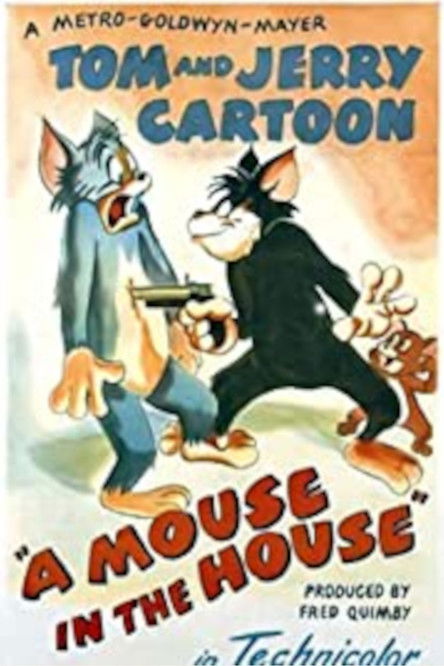
1947
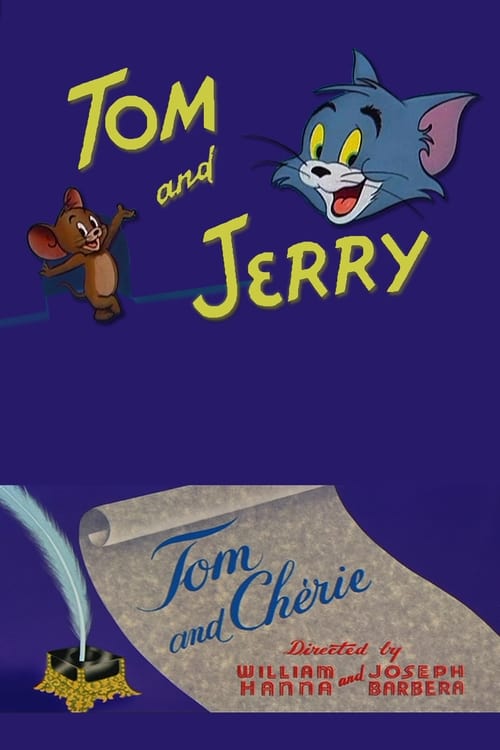
1955
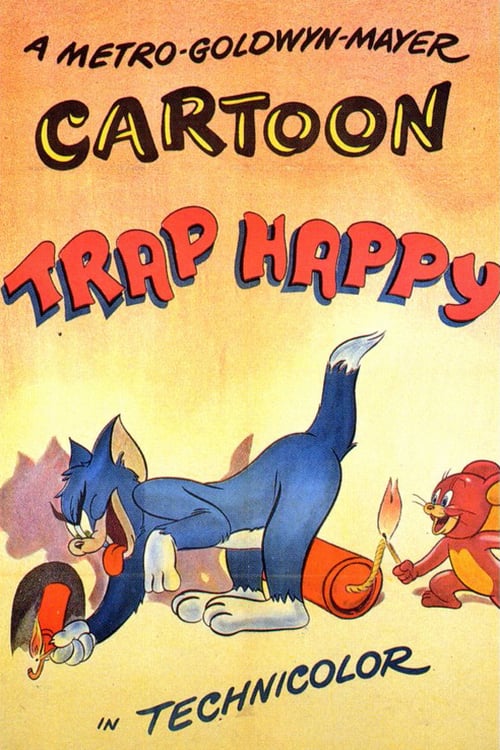
1946
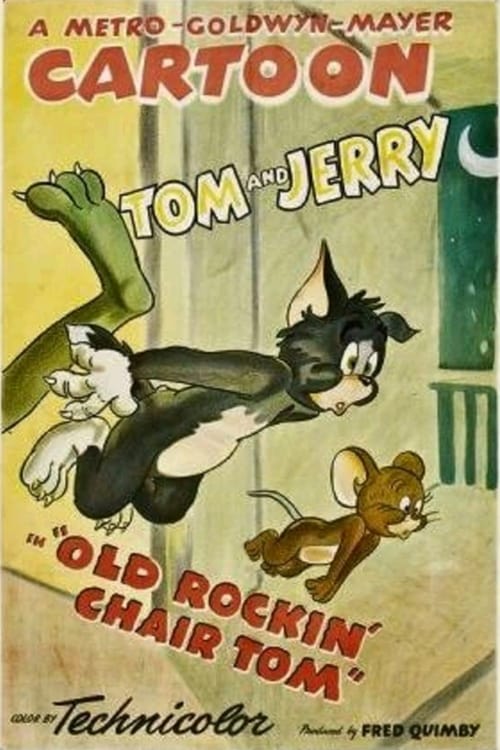
1948
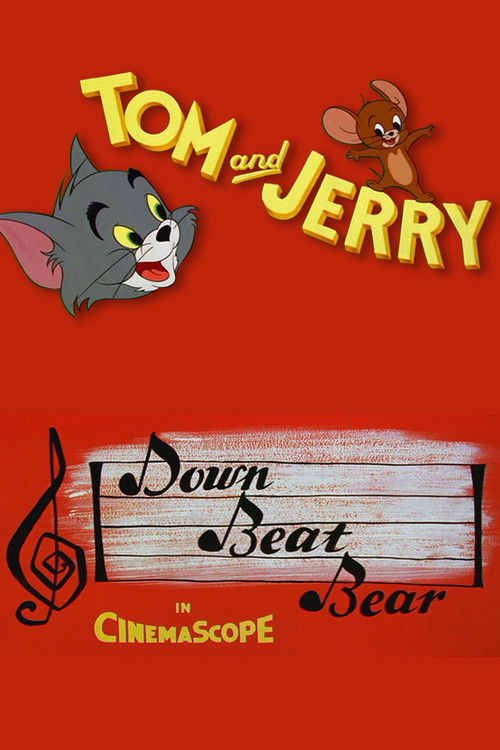
1956
No reviews yet. Be the first to share your thoughts on this movie!
Use the rating form above to leave a star rating and optional review.