Puss n' Toots
1942
No user ratings available yet
Representation score: 1.3 out of 10
Representation Score
Minimal
1947
NRDirector
Joseph Barbera, William Hanna
Runtime
8 minutes
Average Rating
No ratings yetNew Showbiz Analysis
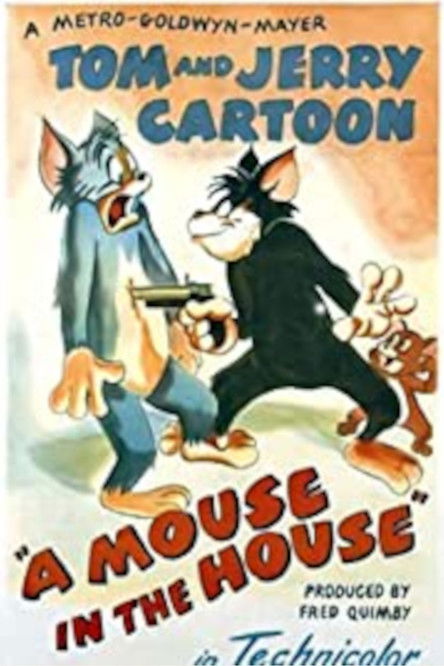
A Mouse in the House is a product of its mid-20th-century industrial context, prioritizing slapstick comedy over social complexity. The narrative structure centers on maintaining domestic order through physical gags rather than exploring identity-driven themes. The film relies heavily on established clichés and racial stereotypes of the era. By using characters like Mammy Two-Shoes, the work reinforces existing social hierarchies instead of disrupting them. Ultimately, the lack of depth in addressing various forms of diversity and the focus on traditional authority structures result in a low diversity score. The film reflects the conventional storytelling standards of 1947.
Category Breakdown
The film does not depict any non-cisgender identities or challenge the assumption that everyone is straight.
Since the characters are non-human, traditional gender roles are not present. However, the domestic setting uses mid-century archetypes without providing complex gender dynamics.
The character Mammy Two-Shoes relies on historical racial stereotypes common in the 1940s. This reinforces traditional racial hierarchies rather than offering nuanced representations.
The story operates within a standard Western domestic framework, reinforcing the sanctity of the household and traditional authority structures without challenging them.
There is no evidence of characters with visible or invisible disabilities. The narrative does not address neurodivergence or physical impairments.
Present on Screen
Limited or Absent
Official Synopsis
Mammy Two-Shoes tells Tom and Butch that the cat who gets rid of the icebox-raiding, breadbox-invading mouse (Jerry) is the one who can stay.
1942
1949
1946
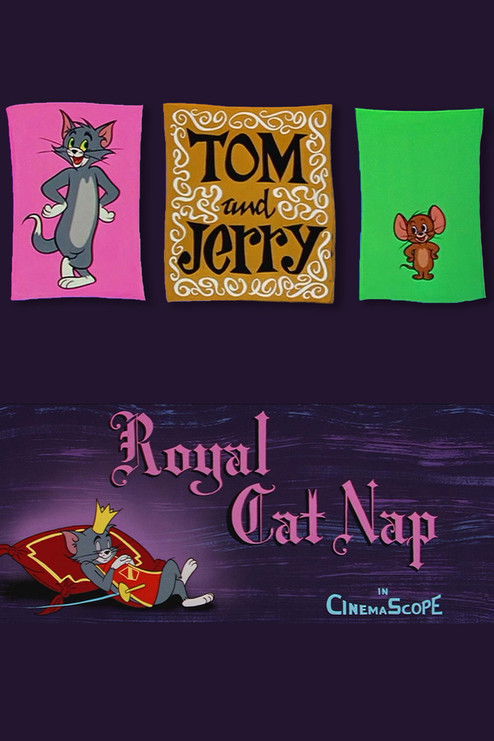
1958
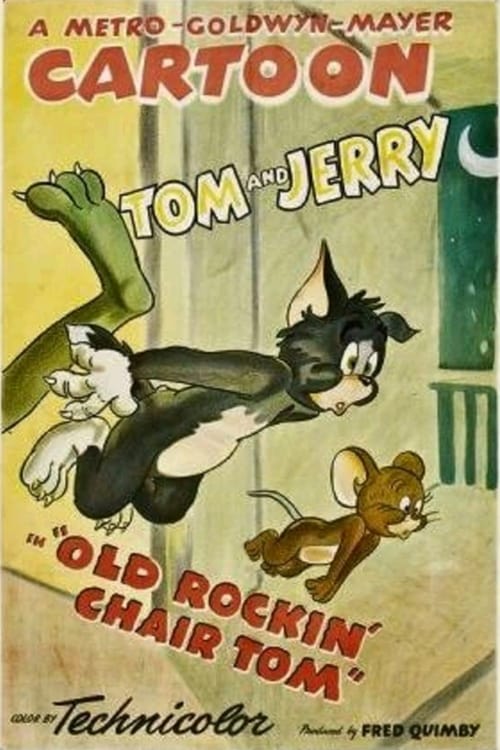
1948
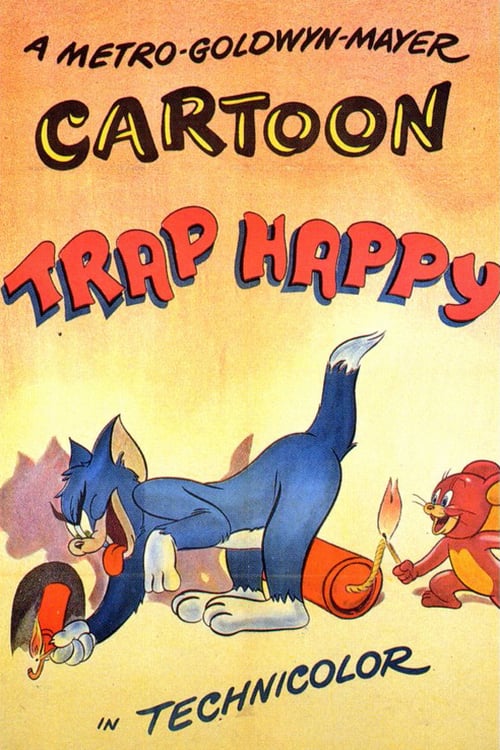
1946
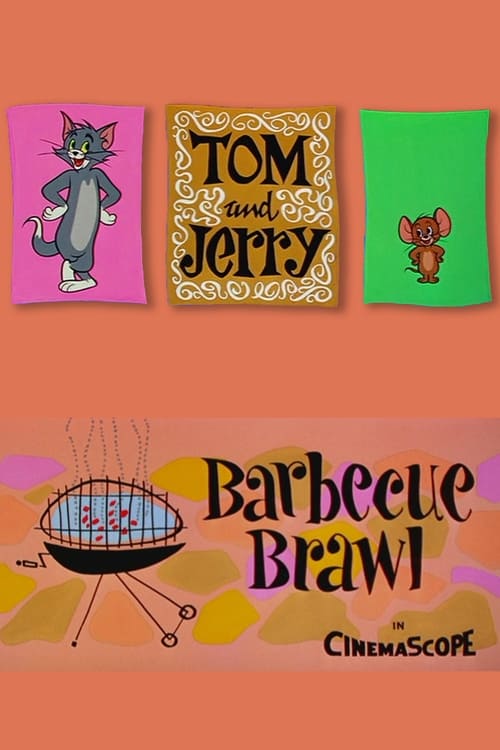
1956
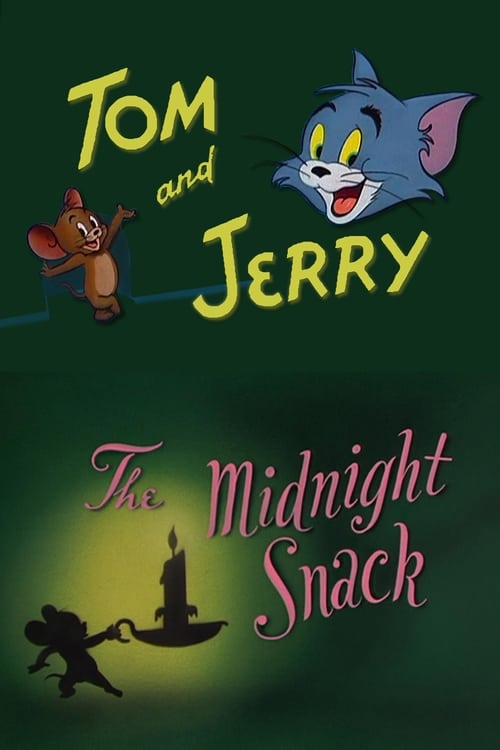
1941
No reviews yet. Be the first to share your thoughts on this movie!
Use the rating form above to leave a star rating and optional review.