Love That Pup
1949
No user ratings available yet
Representation score: 3.2 out of 10
Representation Score
Minimal
1949
NRDirector
William Hanna, Joseph Barbera
Runtime
7 minutes
Average Rating
No ratings yetNew Showbiz Analysis
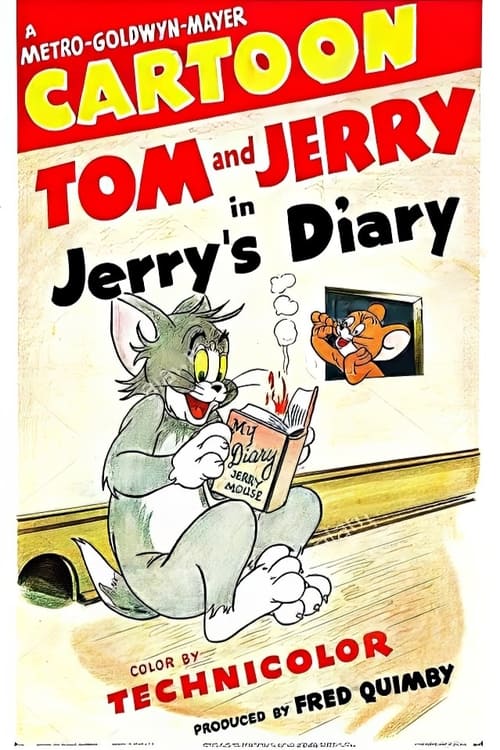
Jerry's Diary is a product of the late 1940s animation industry, adhering to the standard clichés and constraints of its era. The narrative is a closed loop of slapstick comedy that avoids complex social themes or diverse character archetypes. The film focuses entirely on the instinctual rivalry between Tom and Jerry. Since the characters are anthropomorphic animals, the work bypasses human racial, ethnic, and gendered social structures entirely. Ultimately, the short functions as a standard comedic vignette. It reinforces conventional mid-century morality rather than offering any complexity or disruption of established social hierarchies.
Category Breakdown
The film does not include any characters with LGBTQ+ identities or those who do not identify with their assigned gender at birth. The conflict revolves around a traditional rivalry between two animals.
The story focuses on a binary conflict between Tom and Jerry. There are no significant female characters or gender-based power dynamics.
As an animation featuring anthropomorphic animals, the film lacks human racial or ethnic diversity. It relies on a closed ecosystem of characters.
The story follows a traditional moral framework centered on mid-century civic virtues. It reinforces a predictable, status-quo moral lesson.
There is no evidence of characters with visible or invisible disabilities. The protagonists act as key figures within a slapstick framework.
Present on Screen
Limited or Absent
Official Synopsis
The kiddie radio host, Uncle Dudley, reminds his listeners that it is "Be Kind to Animals" week. Tom resolves to be kind to his mouse-nemesis, Jerry, but the cat changes his mind after sneaking a look at Jerry's diary.
1949
1942
1952
1958
1949
1946
1946
1941
No reviews yet. Be the first to share your thoughts on this movie!
Use the rating form above to leave a star rating and optional review.