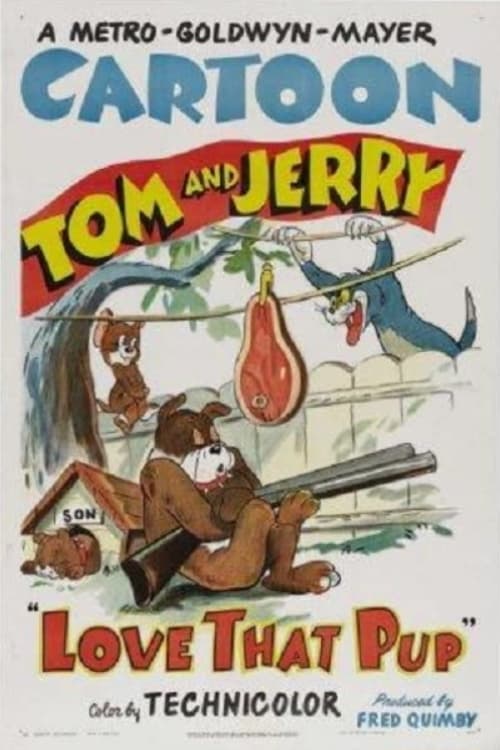
Love That Pup
1949
No user ratings available yet
Representation score: 3.2 out of 10
Representation Score
Minimal
1948
NRDirector
Joseph Barbera, William Hanna
Runtime
8 minutes
Average Rating
No ratings yetNew Showbiz Analysis
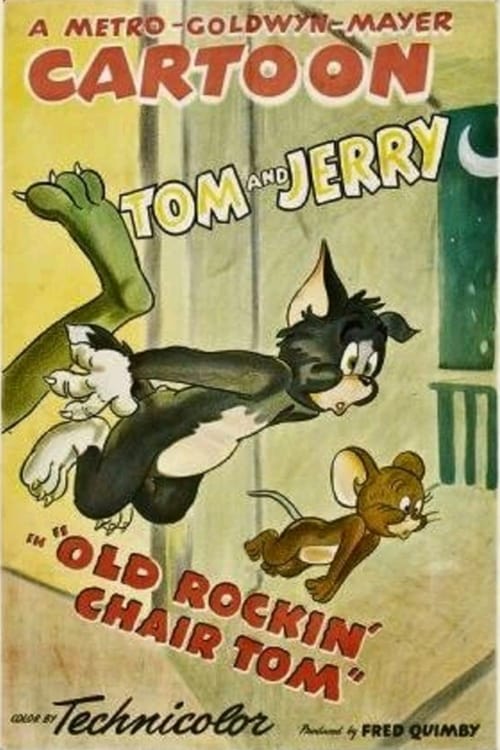
Old Rockin' Chair Tom serves as a historical artifact reflecting the biases of the 1940s. The film relies heavily on racial caricatures, particularly through the character Mammy Two-Shoes, to drive its narrative. This use of minstrelsy clichés prevents meaningful representation of diverse perspectives. The animation focuses almost exclusively on physical comedy between Tom and Jerry, leaving little room for complex character development or the exploration of social identities, including gender or disability. Ultimately, the work reinforces the social hierarchies and cultural norms of its era, serving as a standard piece of period entertainment that upholds established visual and cultural clichés.
Category Breakdown
The film focuses entirely on a domestic animal rivalry and contains no exploration of LGBTQ+ identities or gender fluidity.
Physical slapstick rather than social dynamics drives the plot. The narrative lacks complex female characters, focusing instead on animal protagonists.
The character Mammy Two-Shoes relies on exaggerated stereotypes that reinforce historical racial hierarchies, rather than providing depth.
The setting follows a traditional, rural Southern aesthetic common in mid-century Western media, upholding the status quo without challenging it.
Age is used as a comedic device for slapstick, but there is no nuanced portrayal of aging.
Present on Screen
Limited or Absent
Official Synopsis
Mammy Two-Shoes replaces Tom with a younger cat who is a lightning-quick mouser. Tom and Jerry form an alliance in order to get rid of this dangerous newcomer.
1949
1949
1958
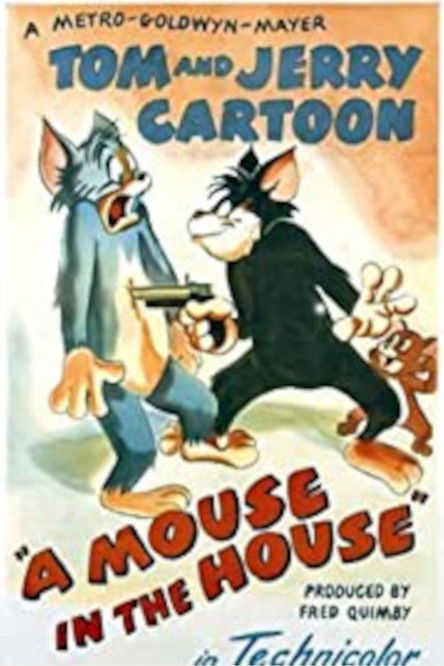
1947
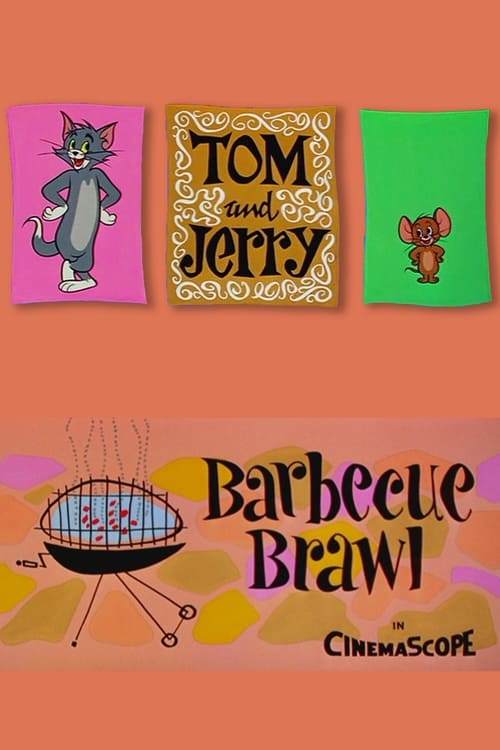
1956
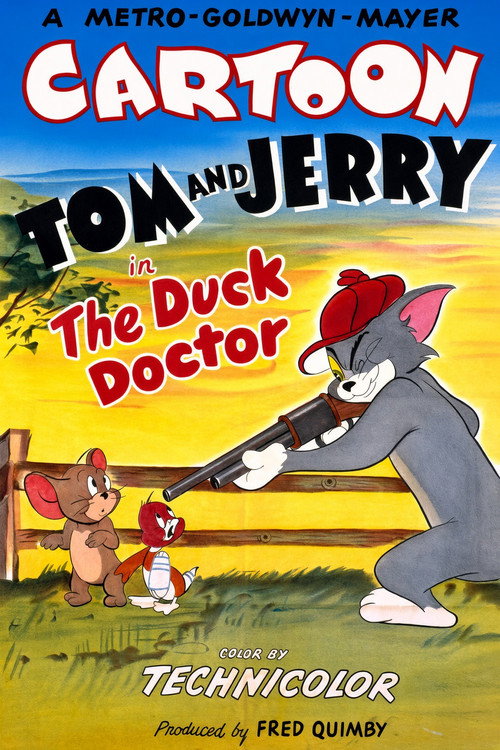
1952
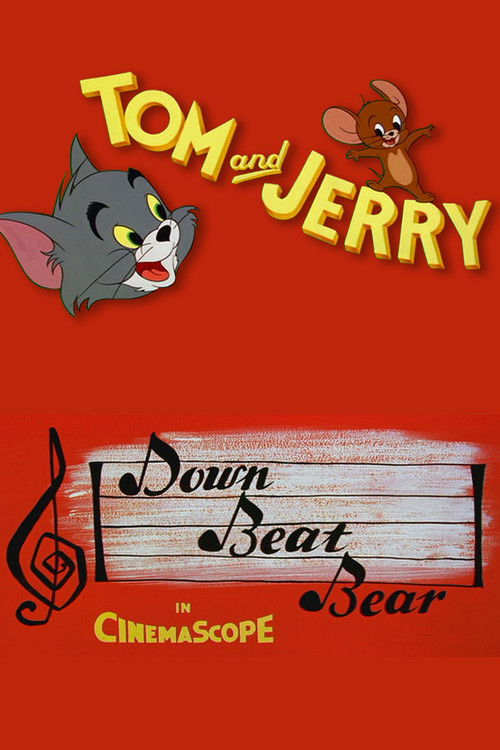
1956
1946
No reviews yet. Be the first to share your thoughts on this movie!
Use the rating form above to leave a star rating and optional review.