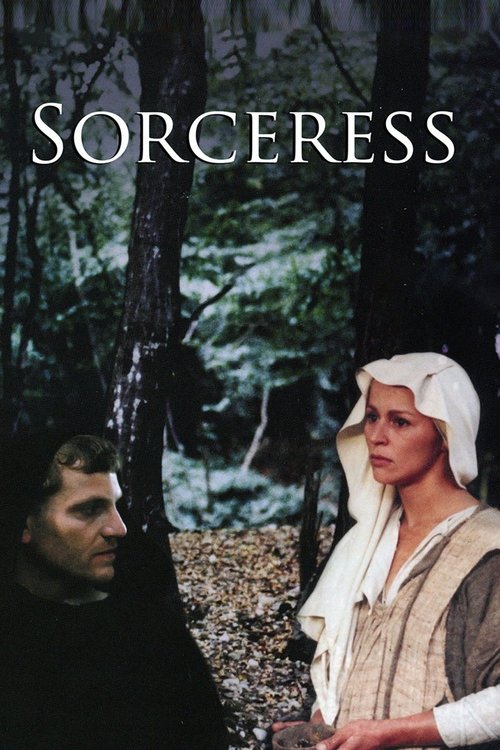
Sorceress
1987
No user ratings available yet
Representation score: 5.4 out of 10
Representation Score
Limited
1993
Director
Pupi Avati
Runtime
110 minutes
Average Rating
No ratings yetNew Showbiz Analysis
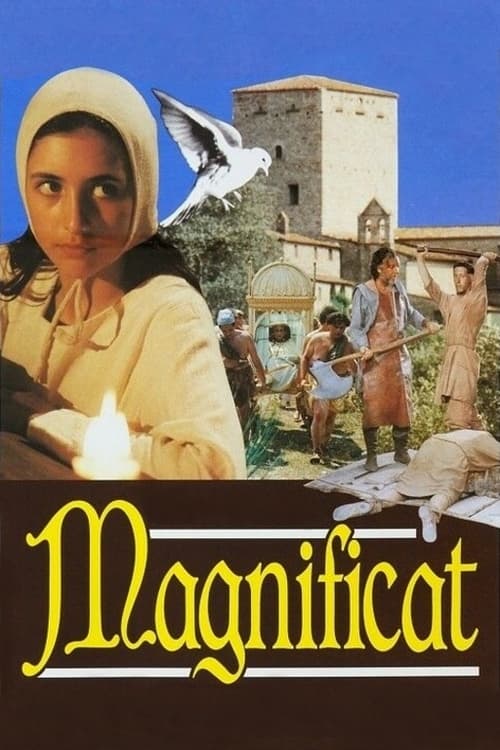
Magnificat is a traditional historical drama that emphasizes atmospheric storytelling and historical context over modern inclusive representation. It adheres closely to the social constraints and demographic uniformity of medieval Italy. The film examines themes of faith, mortality, and social status. While it provides depth regarding religious institutions and gender roles within those structures, it does not intentionally challenge contemporary identity hierarchies. Ultimately, the work serves as a period piece centered on classical European storytelling rather than identity-focused narrative construction.
Category Breakdown
The film does not include explicit representations of LGBTQ+ identities or same-sex relationships. It focuses on traditional medieval structures like convents and apprenticeships.
Gender roles are explored through institutional settings, such as a girl joining a convent and a male-dominated executioner's guild. This allows for a deeper exploration of women's experiences within historical hierarchies.
Set in rural medieval Italy, the film reflects the homogeneous demographics of the time. There is no indication of multiculturalism or casting actors from diverse backgrounds.
The story delves deeply into the Catholic Church and sacred themes. It highlights systemic tensions through the figure of the executioner, who exists on the fringes of society.
While the film addresses physical suffering and execution, it does not use disability as a central narrative device or character arc.
Present on Screen
Limited or Absent
Official Synopsis
During the Middle Ages, a traveling executioner hires an apprentice to learn the finer points of torture and execution, and a young girl is given by her parents to a Catholic convent.
1987
1943
2022

1928
1984

1993
2001

1971
No reviews yet. Be the first to share your thoughts on this movie!
Use the rating form above to leave a star rating and optional review.